
Japan · Culture
A Beginner’s Guide to Shojin Ryori for English-Speaking Travelers: Etiquette and Mindset

Summary
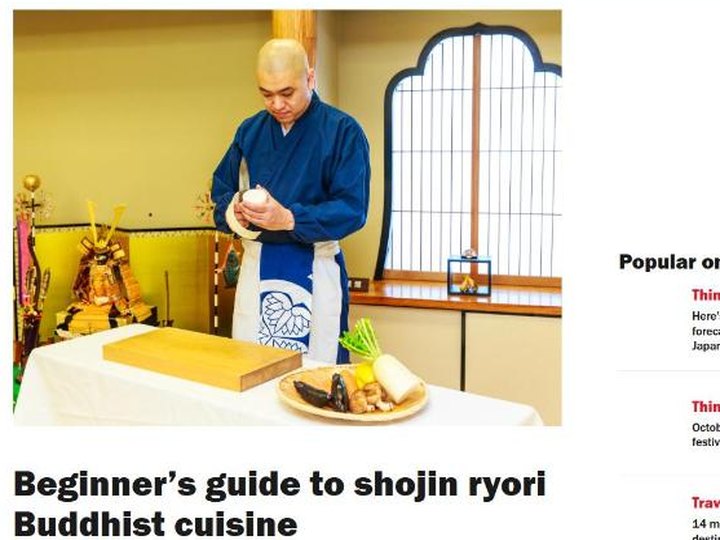
- Based on an interview with a priest at a temple in Asakusa (named in the original as Kaku Aoe).
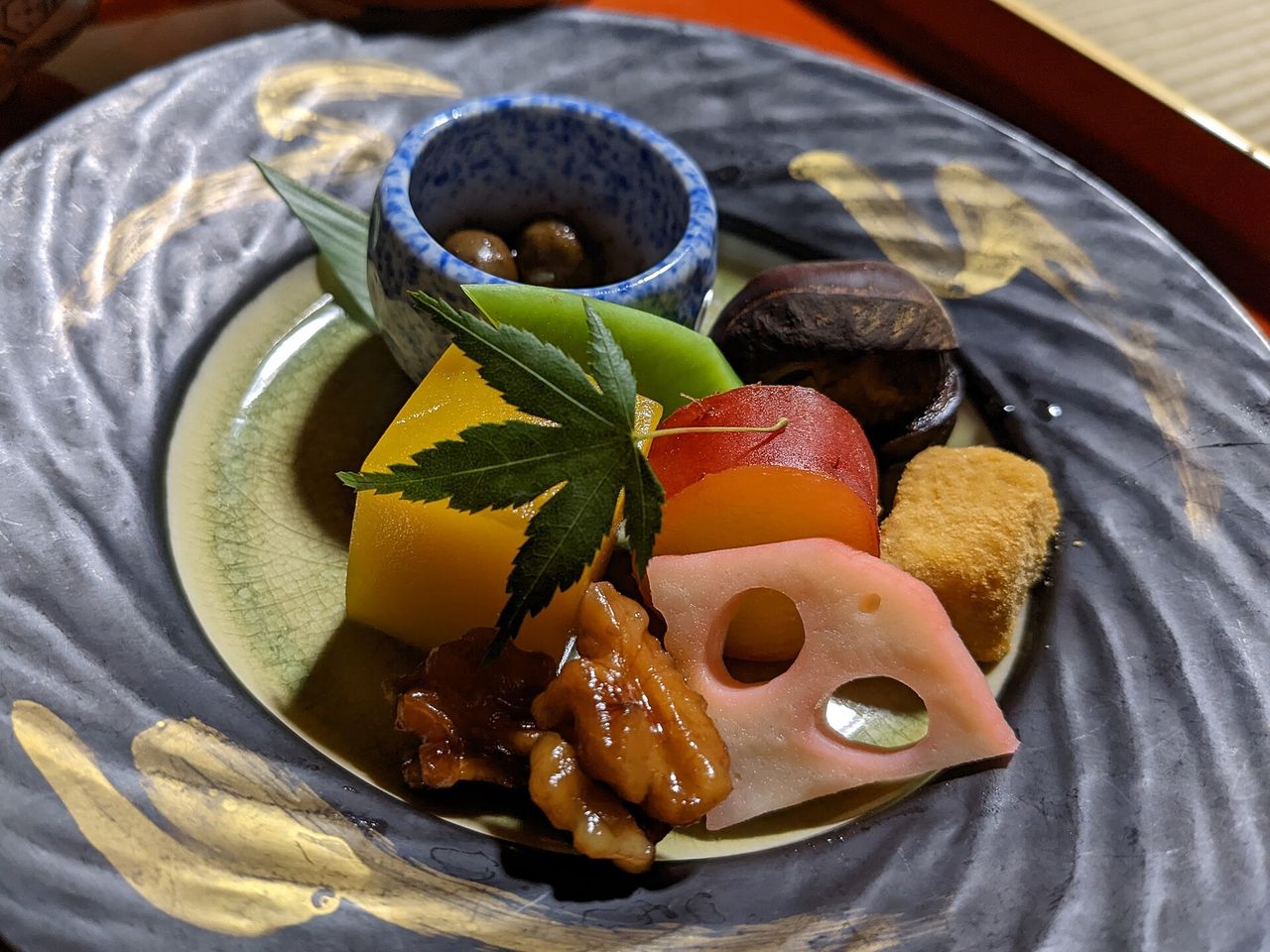
- Shojin ryori is described as temple cooking with roughly 800 years of history, rooted in Buddhist thought.
- Besides meat and fish, it avoids dried bonito used in stock; “gokun” such as garlic and onion are avoided because their strong smell is said to disturb the mind.
- For the cook, it names three attitudes: staying calm, treating ingredients with care as one would children, and gratitude for being able to cook.
- For diners: eat quietly, handle bowls carefully with both hands, and chew well while focusing on the flavors.
- It closes by noting the appeal today: no waste, rich flavor within limits, and a chance to rethink eating.

Editors’ comment
It overlaps with several of our articles, especially the idea that cooking itself is practice, covered in What Is Shojin Ryori?, here voiced by a priest.
Practical tips are in A Beginner’s Guide to Shojin Ryori for Visitors to Japan. This is a 2018 article, so please check current information for any venues mentioned.
* This page is the editors’ summary of the article above, with our commentary. Please check the original for details and exact figures.