
Japan · Travel
A Beginner’s Guide to Shojin Ryori for Visitors to Japan
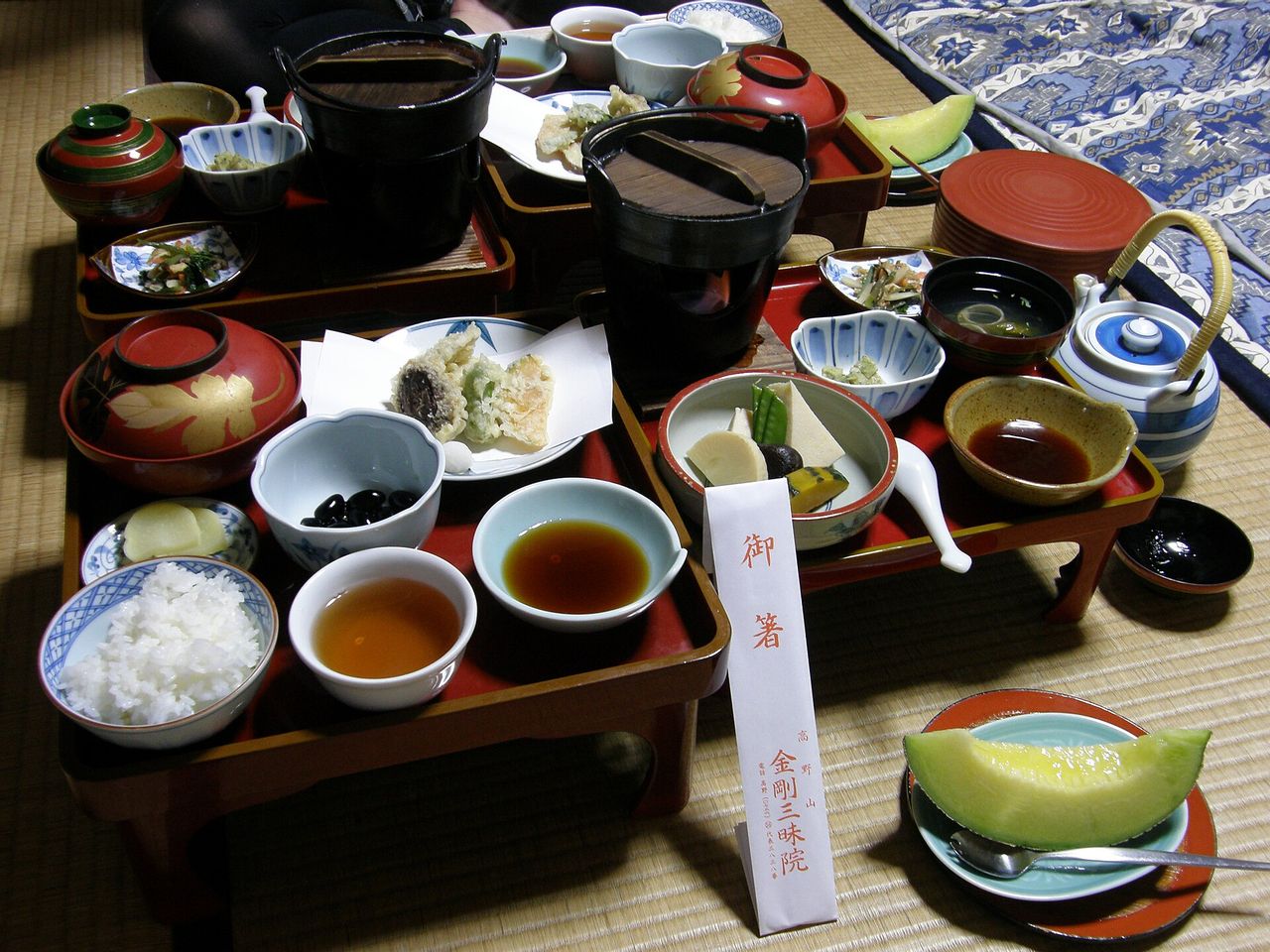
Shojin ryori is Japanese cooking that grew out of Buddhist practice and uses no meat or fish. For background, see What Is Shojin Ryori?
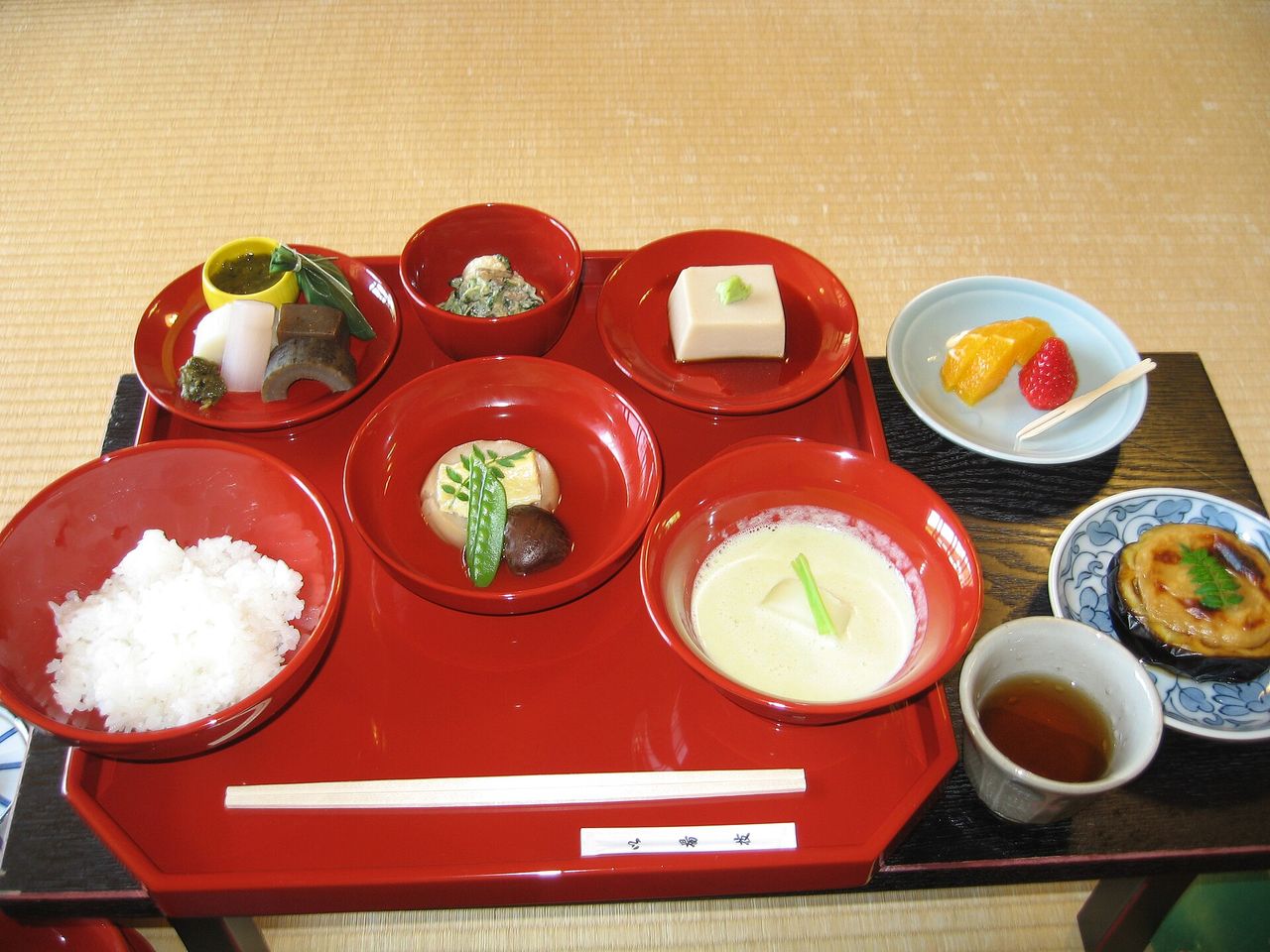

1. Book ahead
Temple restaurants often require reservations, with deadlines that differ by place. For example, Shigetsu (Tenryu-ji) asks for booking 2 or 3 days ahead depending on the menu, and is closed on Thursdays (checked on the official site, 2026-10-01).
2. Tell them your dietary needs
Mention allergies or vegan needs when booking. Some modern restaurants use animal-based stock or seasonings; see also Shojin vs. Vegan.
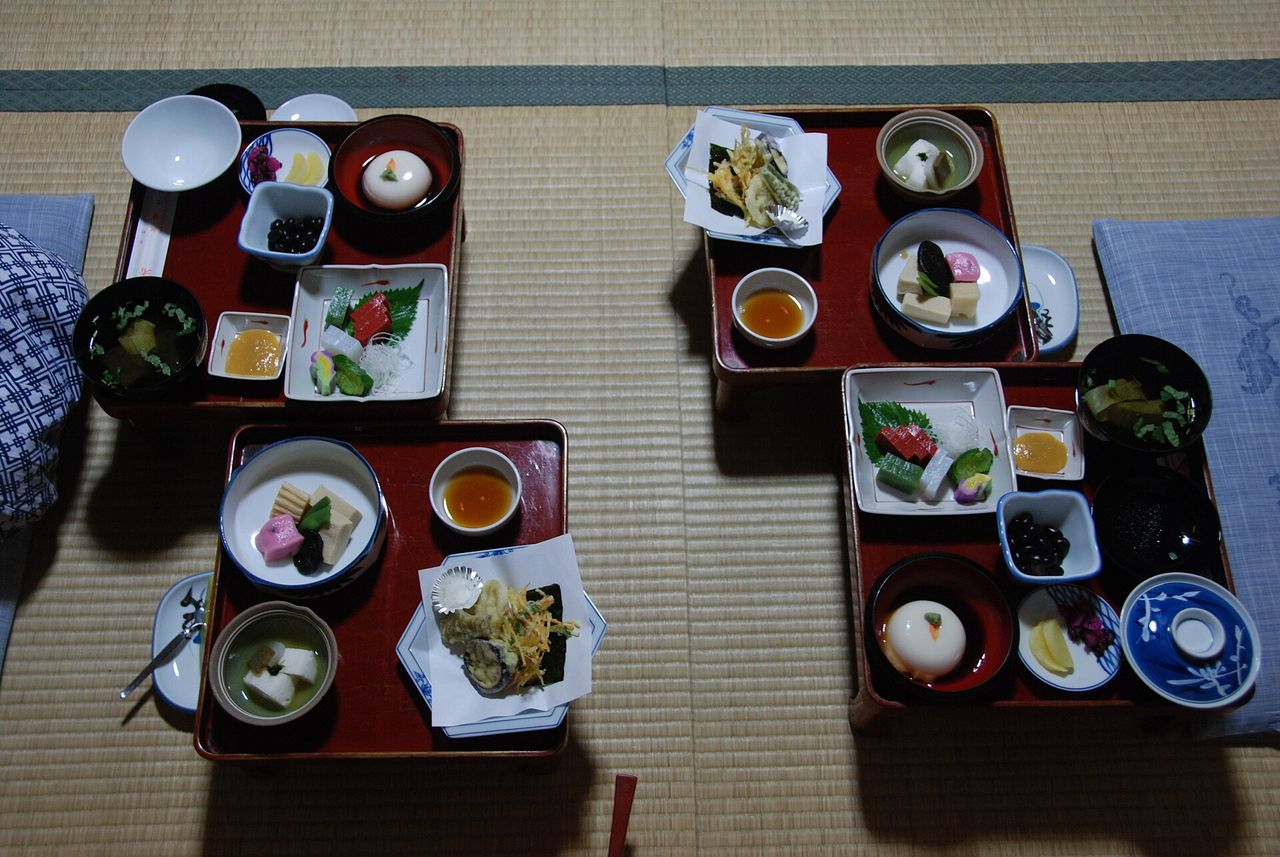

3. Follow the house rules
These are temples, so be quiet and follow instructions. Some places have specific rules; for example, Fukuchiin states on its official site that tattoos are not permitted in its hot spring.
Cover image: A Buddhist vegetarian meal at the shukubo (temple lodging) of Kongosanmai-in on Koyasan, Wakayama. Photo: Szabolcs Arany / CC BY 2.0 / Wikimedia Commons

4. Check for updates
Hours and prices change. Please check the official site before you go.