
Japan · Food
Shojin Dashi: The Plant-Based Stock Made from Kombu and Dried Shiitake
Why katsuobushi is not used
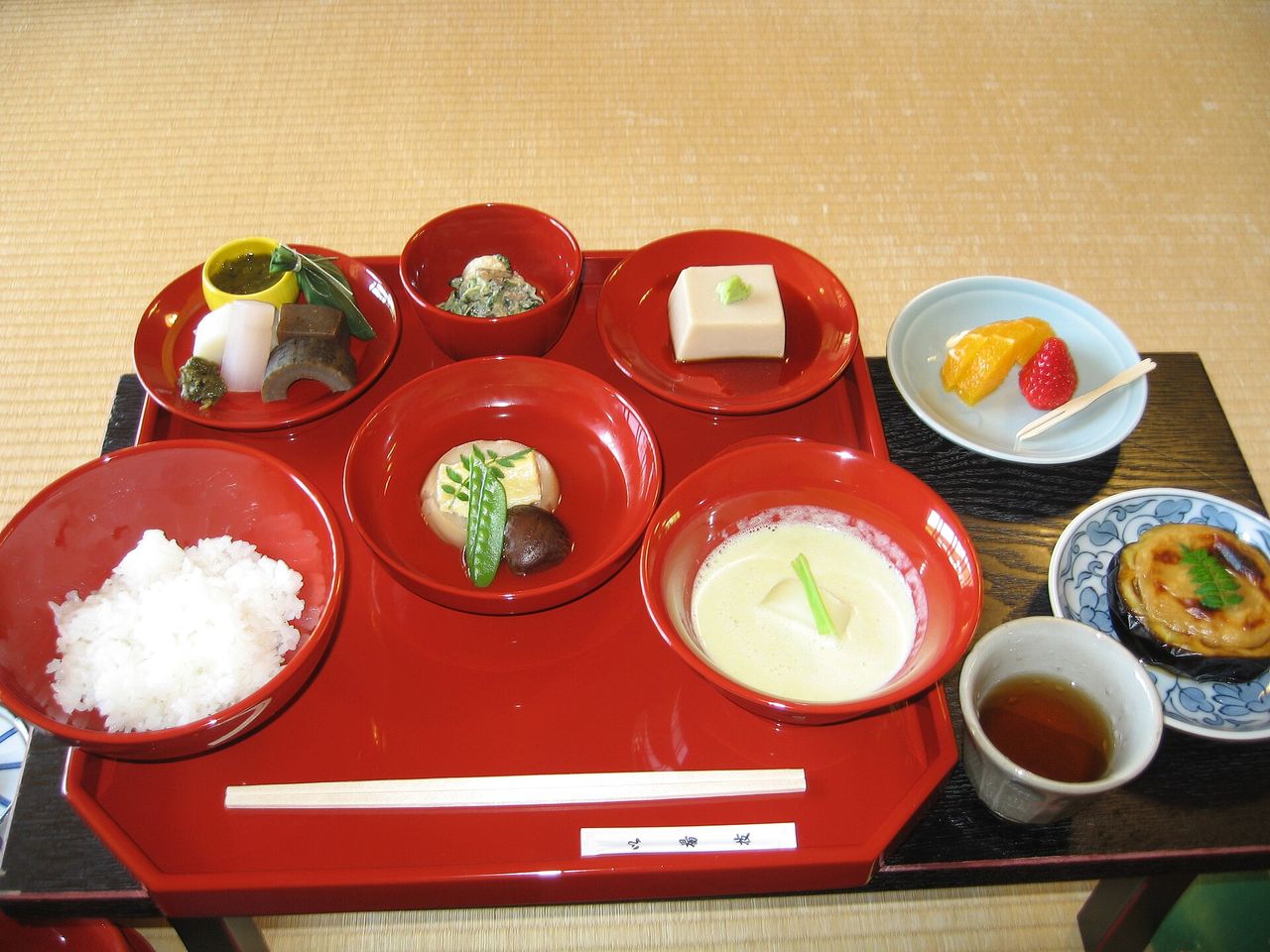
Shojin ryori, Japanese Buddhist temple cuisine, is rooted in the Buddhist idea of non-killing (fusessho): not taking other lives needlessly. Meat and fish are left out, and the cooking centers on vegetables, seaweed, mushrooms, grains and soy products such as tofu. The official Soto Zen website also explains, at the start of its recipe collection, an approach to cooking that follows this precept.
Katsuobushi (dried bonito flakes) is made from fish, and niboshi (small dried fish) is, made from small fish. Shojin cooking does not use them. It uses shojin dashi (dashi means Japanese soup stock) made from plant-based ingredients. The wider picture of this cuisine is covered in What Is Shojin Ryori?


Ingredients and characteristics of shojin dashi
The sources used for this article mention the following ingredients.
- Kombu (dried kelp): kombu dashi is a plant-based stock made from seaweed alone. The Umami Information Center describes kombu as especially rich in glutamate among natural ingredients.
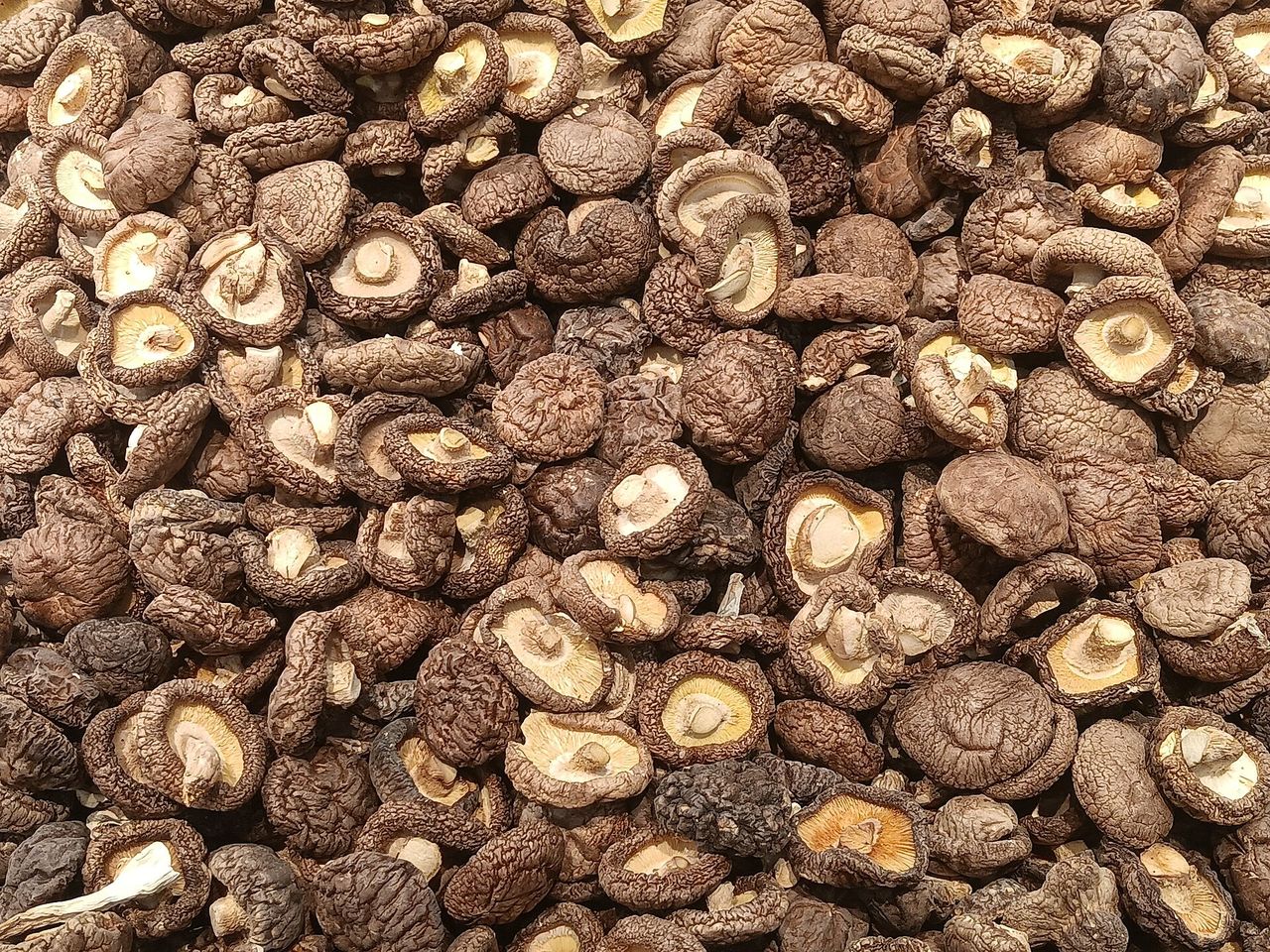
- Dried shiitake: these contain guanylate and are a typical stock ingredient in shojin cooking. The same source notes that their flavor can be strong, so the amount needs to be adjusted.
- Kombu and dried shiitake together: the shojin dashi on the Soto Zen website is a cold-water infusion, made by steeping kombu and dried shiitake in water for several hours. Preparing it the night before is suggested, and because the result varies with the kombu, the mushrooms and the water, exact measuring is said to be unnecessary. A page from Japan’s Ministry of Agriculture, Forestry and Fisheries on a regional dish also makes shojin dashi from kombu and dried shiitake.
- Soybeans, kanpyo and vegetable trimmings: a chef at a shojin restaurant lists kombu, kanpyo (dried gourd strips), soybeans and dried shiitake as substitutes for animal-based stock, and gives examples of using vegetable peels and tough parts in the stock as well.
Kikkoman’s explanation describes ichiban dashi (first stock), made by soaking kombu and/or dried shiitake in water, and niban dashi (second stock), made by simmering the same ingredients in fresh water; they suit different dishes. The Soto Zen recipe collection also includes dishes made with kombu left over after making stock, which shows an attitude of using ingredients fully.

How the umami components work
The main components behind dashi’s umami are glutamate, inosinate and guanylate. According to the Umami Information Center, glutamate is abundant in kombu, inosinate in katsuobushi and niboshi, and guanylate in dried shiitake. Their discoveries are dated 1908 (Kikunae Ikeda isolated glutamate from kombu broth), 1913 and 1957.
When glutamate is combined with inosinate or guanylate, umami is perceived as stronger than with either alone, a known effect called synergy. The center cites about eight times the strength of glutamate alone for ichiban dashi made from kombu and katsuobushi. Kombu with shiitake is a combination of glutamate and guanylate, so the same synergy principle is considered to apply even without fish.
On dried shiitake, a Shimane Prefecture page explains that the mushroom’s umami comes from guanylate and increases when heated.
Practical notes for travelers
Shojin dashi belongs to the world of shojin ryori; ordinary Japanese restaurants are a different matter. The Japan National Tourism Organization (JNTO) cautions that even dishes that look meat-free may contain meat or fish (such as bonito flakes) in the stock, soup or sauce. The Japan Tourism Agency’s guide likewise notes that dashi is widely used in Japanese cooking and that some people avoid animal-derived ingredients such as bonito. A dish simply being called a vegetable dish does not guarantee that no katsuobushi dashi is in it.
- When booking, say specifically that you want to avoid fish-based stock such as katsuobushi dashi, in addition to meat and fish. For set courses in particular, tell the restaurant in advance.
- Use a dietary card written in Japanese or a translation app.
- Even for shojin meals at temples and temple lodgings, content differs by place, and JNTO notes that dairy is sometimes used. Check anything you are unsure about when booking.
- For seasonings and processed foods, check the ingredient labels as well (Japan Tourism Agency guide).
Kombu, dried shiitake and soybeans are all plant-based, but whether a dish suits you also depends on the seasonings, the other ingredients and each person’s own dietary standards. Shojin ryori, with its religious background, is not the same thing as modern veganism. See Shojin Ryori vs. Veganism for the difference, and Shojin Ryori for Visitors for practical points on visiting.
Cover image: Shojin ryori, Japanese Buddhist cuisine, in spring. Photo: サフィル / CC BY-SA 4.0 / Wikimedia Commons

Sources
- Preparing shojin dashi (Sotozen-net)
- Cooking that gives life to ingredients: recipe collection (Sotozen-net)
- What is Dashi? (Umami Information Center)
- How to Utilize Umami (Umami Information Center)
- PLANT BASED x UMAMI: Shojin Ryori restaurant, Chef Daisuke Nomura Part 2 (Umami Information Center)
- Who Identified Umami and When? (Ajinomoto Group)
- Dried shiitake (Shimane Prefecture, in Japanese)
- Kenchin-jiru, Kanagawa (MAFF, Uchi no Kyodo Ryori)
- The Japanese Table Vol. 39 No. 2: Intrinsic Flavors (Kikkoman)
- Buddhist Vegetarian Cuisine (Shojin Ryori) (Japan Tourism Agency multilingual database)
- Hospitality Guide for Vegetarian, Vegan and Muslim Travelers (Japan Tourism Agency, April 2024, in Japanese)
- A Vegetarian and Vegan Guide to Japan (JNTO)