
Vietnam · Food
Ingredients and Seasonings Behind Vietnamese Chay Food: Tofu, Mushrooms, Tofu Skin and Fish Sauce Alternatives

The ingredients at the base
According to Vietnam Pictorial, a magazine published by the Vietnam News Agency, Vietnamese vegetarian cooking is built mainly on vegetables, roots, fruit, soy products and mushrooms. The article explains that Buddhism has a long history in Vietnam and that chay (vegetarian) food is an important part of the food culture.
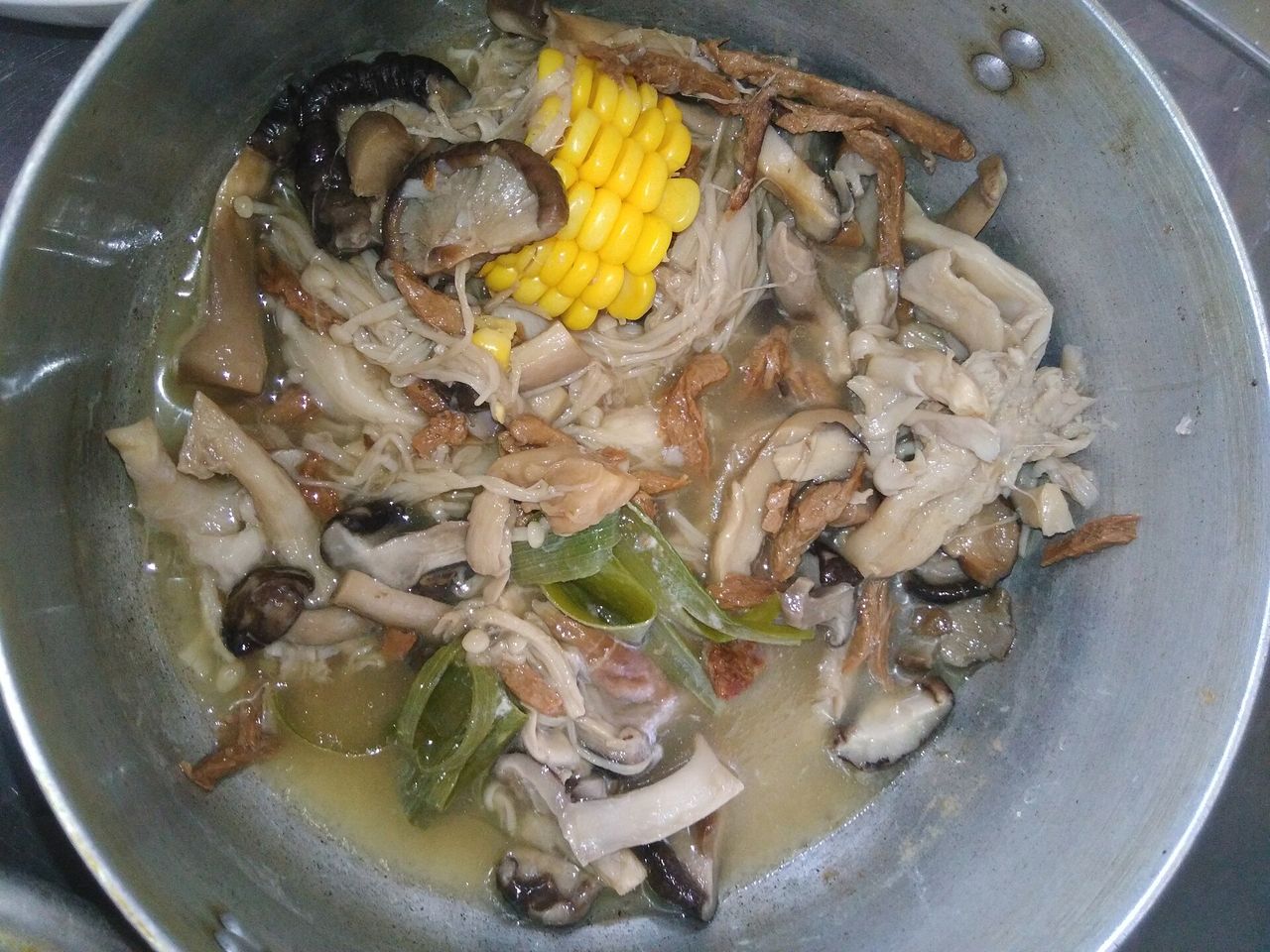
On tofu (đậu hũ, đậu phụ), Tuoi Tre News, in a piece about Hue, mentions frying, braising and adding it to soups. The same article describes vegetables served with tương, a soybean-based paste, and chao, fermented tofu, as well as vegetarian fried rolls filled with ground mung beans, glass noodles and mushrooms. Mushrooms also appear as an ingredient in braised and stir-fried dishes in the Vietnam Pictorial article.
Another notable ingredient is tofu skin. Wikipedia explains that it is the film lifted from the surface of heated soy milk, and that the product known in Japan as yuba is the same kind of food. In Vietnamese it is called tàu hũ ky (also spelled tàu hủ ky). According to Thanh Niên, the craft in Vinh Long province began as a family trade of Chinese origin, with one family starting production in 1912. The paper notes that it is used in both vegetarian and meat dishes.
Seasonings that stand in for fish sauce
Fish sauce (nước mắm), a staple of Vietnamese cooking, is avoided in vegetarian food. The English site of Vietnam Tourism notes that the dipping sauce (nước chấm) served with bánh xèo normally contains it, and suggests asking for soy sauce (nước tương) instead.
Another substitute is nước mắm chay, a fish-sauce-style seasoning made without fish. A VnExpress recipe article (2025) describes simmering dried shiitake and their soaking water, seaweed and ripe pineapple, straining the liquid, and seasoning it with salt and sugar. It says soy sauce may be added for a darker color, and that the sauce goes with boiled vegetables, tofu and vegetarian rolls. This is one recipe; not every nước mắm chay uses the same ingredients.
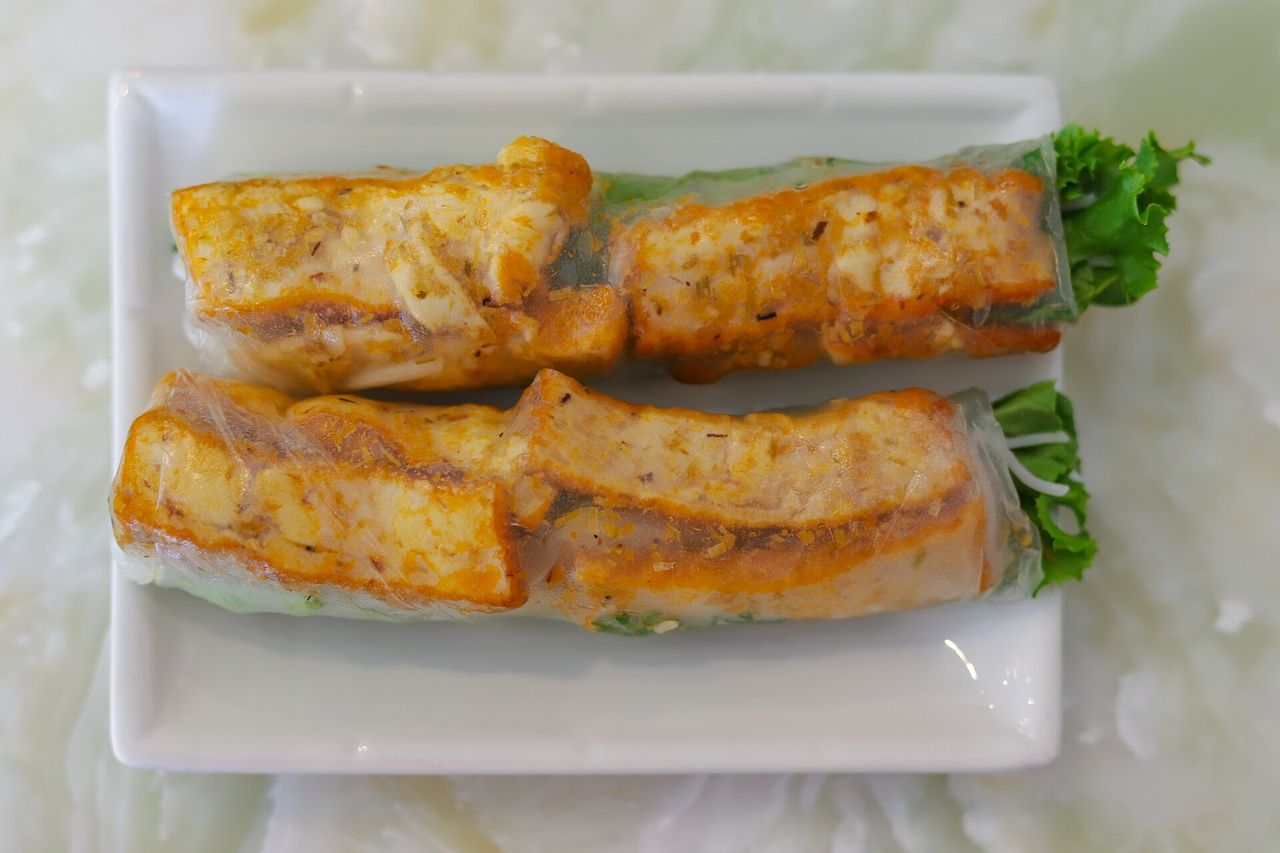
For sweet dishes, the same site says chè (dessert soups) use coconut milk alongside beans and tapioca, and that vegetarian fresh rolls (gỏi cuốn chay) are filled with tofu, herbs and rice noodles and usually served with a peanut sauce.
Why some dishes imitate meat and fish
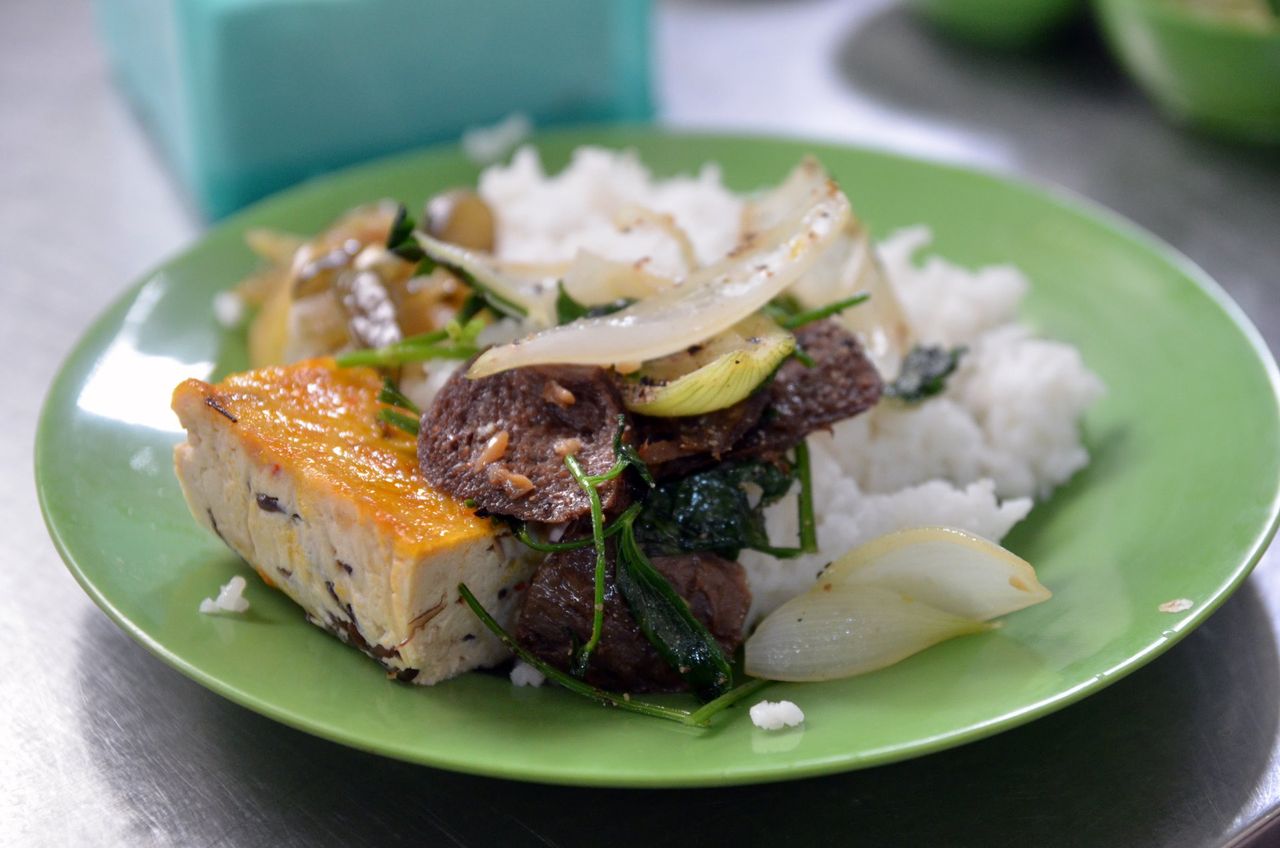
In vegetarian eateries you will often see dishes made to resemble non-vegetarian ones. Thanh Niên (2022) calls these “chay giả mặn” and describes them as vegetarian dishes made to resemble non-vegetarian ones in taste, appearance or name, partly to appeal to people new to vegetarian eating. Vietnam Pictorial also lists dishes styled after stir-fried chicken innards, fried prawns, scrambled eggs and braised pork. A Tuoi Tre reader Q&A mentions vegetarian dishes named after spare ribs, braised pork, shrimp and squid, and a vegetarian tiết canh colored red with beetroot juice.
On this point, Thanh Niên quotes monastics who say that dishes carrying the name or taste of meat do not fit the Buddhist spirit of vegetarian eating, while one abbot acknowledges that they can help newcomers adjust. For Hue, where temple vegetarian cooking is especially rich, see also our article on Hue chay cuisine.

What to check when ordering
The English site of Vietnam Tourism notes that vegetarian dishes may still contain animal-derived items. The points it raises include the following.
- Fish sauce: described as the most commonly overlooked item, and some cooks do not regard it as an animal product.
- Shrimp paste (mắm tôm): a condiment served in central Vietnam with bún bò Huế and bánh xèo.
- Eggs and mayonnaise: the spread used on bánh mì is egg-based. Dedicated vegetarian restaurants generally avoid eggs and dairy, but this varies by place.
- Others: oyster sauce, pork floss, and chicken fat or broth are also mentioned.
The site suggests phrases such as “Tôi ăn chay” (I eat vegetarian), “Không thịt, không cá” (no meat, no fish) and “Không nước mắm” (no fish sauce). For finding places to eat, see finding chay meals in Vietnam; for the rise in vegetarian options on the 1st and 15th of the lunar month, see ngày rằm and mùng một. What counts as vegetarian differs by restaurant and region, so when in doubt it is safest to ask about specific ingredients.
Cover image: Vegetarian food at a small Buddhist restaurant in Ho Chi Minh City; the parts that look like meat or fish are substitutes. Photo: Takeaway (Own work) / CC BY-SA 3.0 / Wikimedia Commons

Sources
- Vietnamese Vegetarian Cuisine (Vietnam Pictorial)
- Hue vegetarian feasts article (Tuoi Tre News, 2014)
- Cách làm nước mắm chay – món ăn mùa Vu Lan (VnExpress)
- Tháng 7 âm lịch ăn chay nguyên tháng: Ăn món chay giả mặn có tịnh tâm? (Thanh Niên)
- Sao món ăn chay có tên mặn, làm giống món mặn? (Tuoi Tre)
- Nghề làm tàu hũ ky Vĩnh Long được công nhận di sản văn hóa phi vật thể (Thanh Niên)
- Fuzhu (food) (Wikipedia)
- Plant-based travel in Vietnam: eating vegan without missing out (Vietnam Tourism)