
Japan · Food
What Is Fucha Ryori? The Chinese-Style Temple Cuisine of the Obaku School
What fucha ryori is
Fucha ryori (普茶料理, fucha ryōri) is a Chinese-style vegetarian cuisine handed down in temples of the Obaku school (黄檗宗, Ōbaku-shū). The Obaku school is a Zen lineage introduced to Japan in the Edo period by Yinyuan Longqi (Ingen Ryūki, 隠元隆琦), a monk who came from Ming-dynasty China. Its head temple is Manpuku-ji (萬福寺) in Uji, Kyoto. According to the temple’s official website, Manpuku-ji was founded in 1661 by Ingen, and fucha ryori is presented there as a vegetarian cuisine that the founder brought from China.
The word fucha (普茶) is said to derive from the idea of offering tea widely to everyone. Reference works explain that the meal grew out of food served after gatherings centered on tea. They also list the alternative names Obaku cuisine (黄檗料理) and tera-shippoku (寺卓袱, “temple shippoku”), and some describe it as the vegetarian counterpart of shippoku cuisine, which developed in Nagasaki.
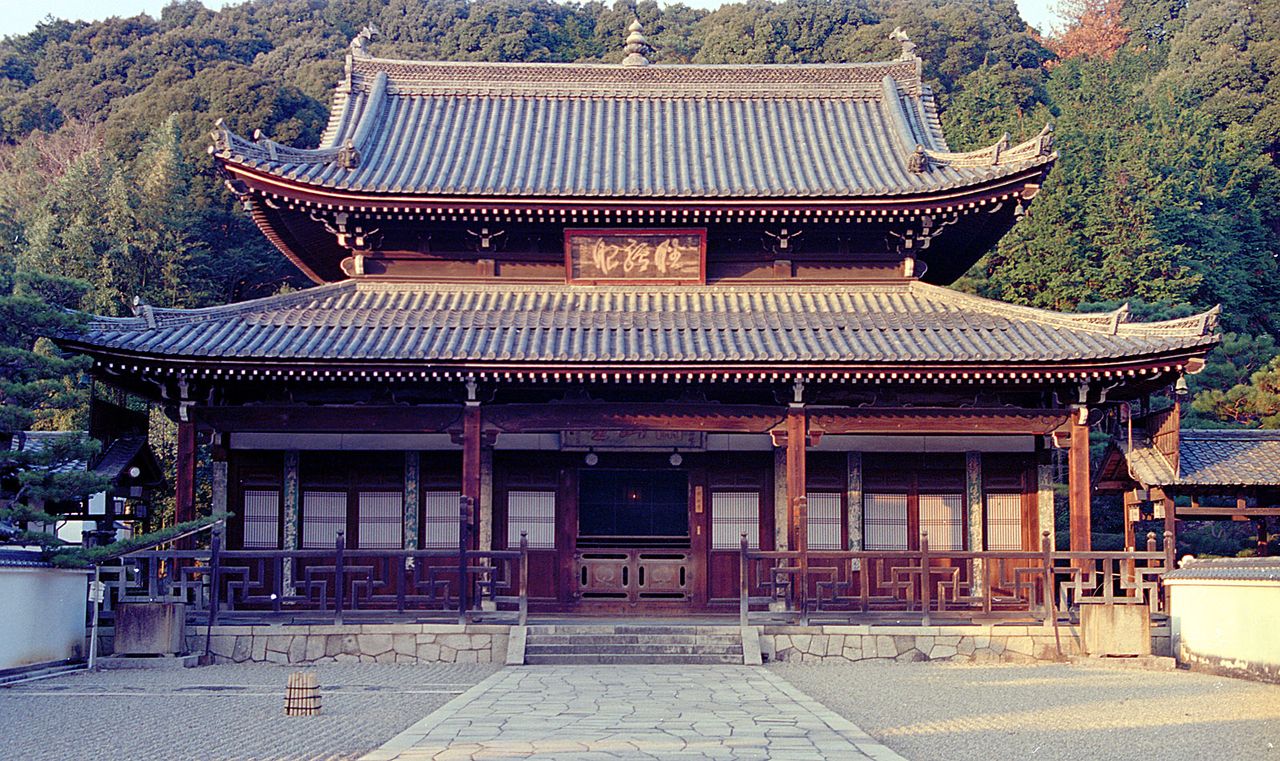
Manpuku-ji itself is a temple built in the architectural style of Ming-dynasty China, and the Japan National Tourism Organization notes that Chinese-derived traditions, including the style of sutra chanting, remain there. Food is one part of that cultural inheritance.
How it is eaten and what sets it apart
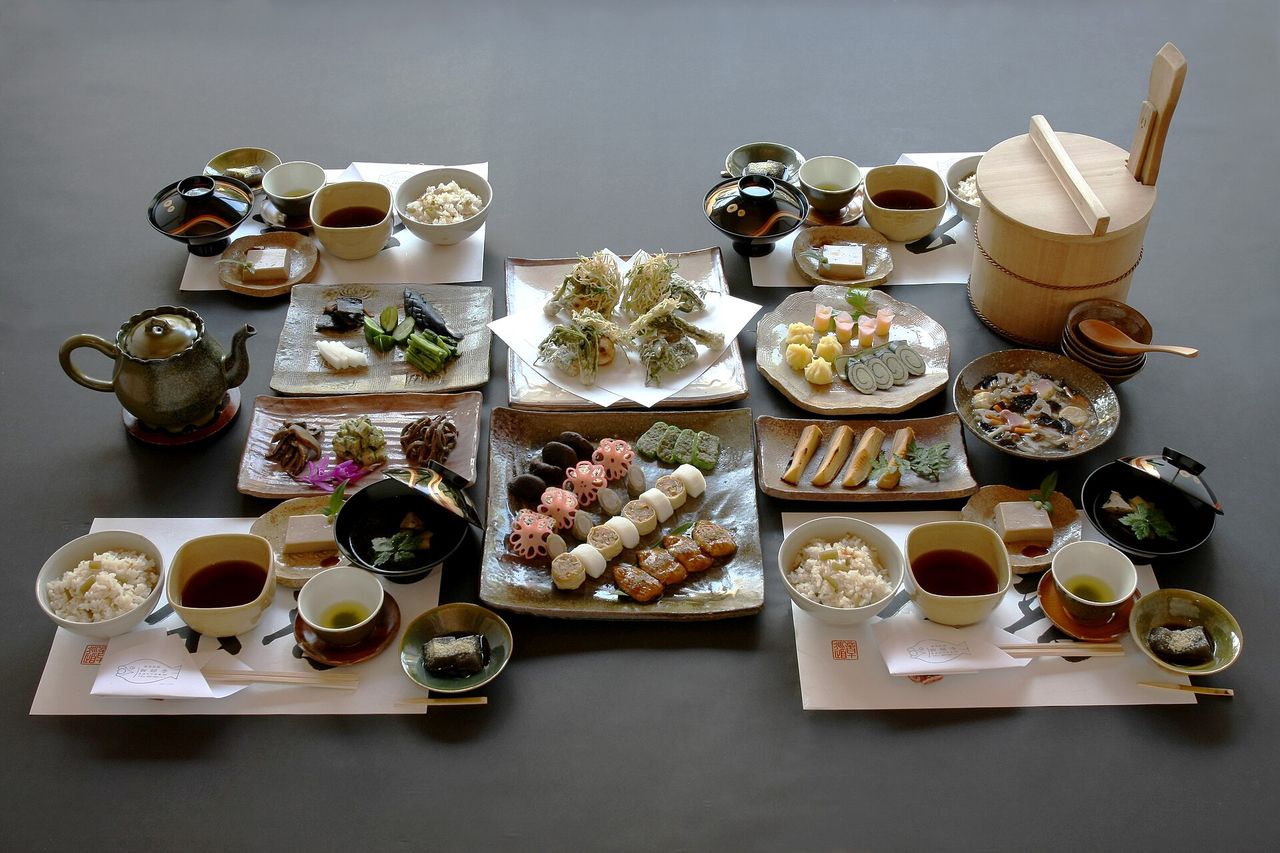
The basic format is four people around one table, with food served on large platters and each person moving portions onto a small plate. Manpuku-ji’s official website describes a table with no seating hierarchy and a relaxed, friendly atmosphere. It also encourages diners to recite the Gokan no ge (五観の偈), a verse of reflection on the meal, beforehand.
In terms of cooking, encyclopedias note that many dishes use oil, especially sesame oil, and starch such as kudzu for a thick sauce. The ingredients are plant-based, such as vegetables, tofu and dried goods, prepared with Chinese cooking methods. An encyclopedia describes a full meal as made up of soup, simmered dishes, dressed dishes, pickles, rice and fruit. In the Edo period the cuisine is said to have been popular among people with an interest in Chinese culture and to have spread to restaurants in Edo.
For temple meals in general, see What is shojin ryori? Fucha ryori can be understood as one form within that wider world, one that follows the Chinese-derived Obaku tradition.

Typical dishes
A fucha menu is called a saitan (菜単), and the contents vary by course and season. The main dishes confirmed by Manpuku-ji’s website and reference works are:
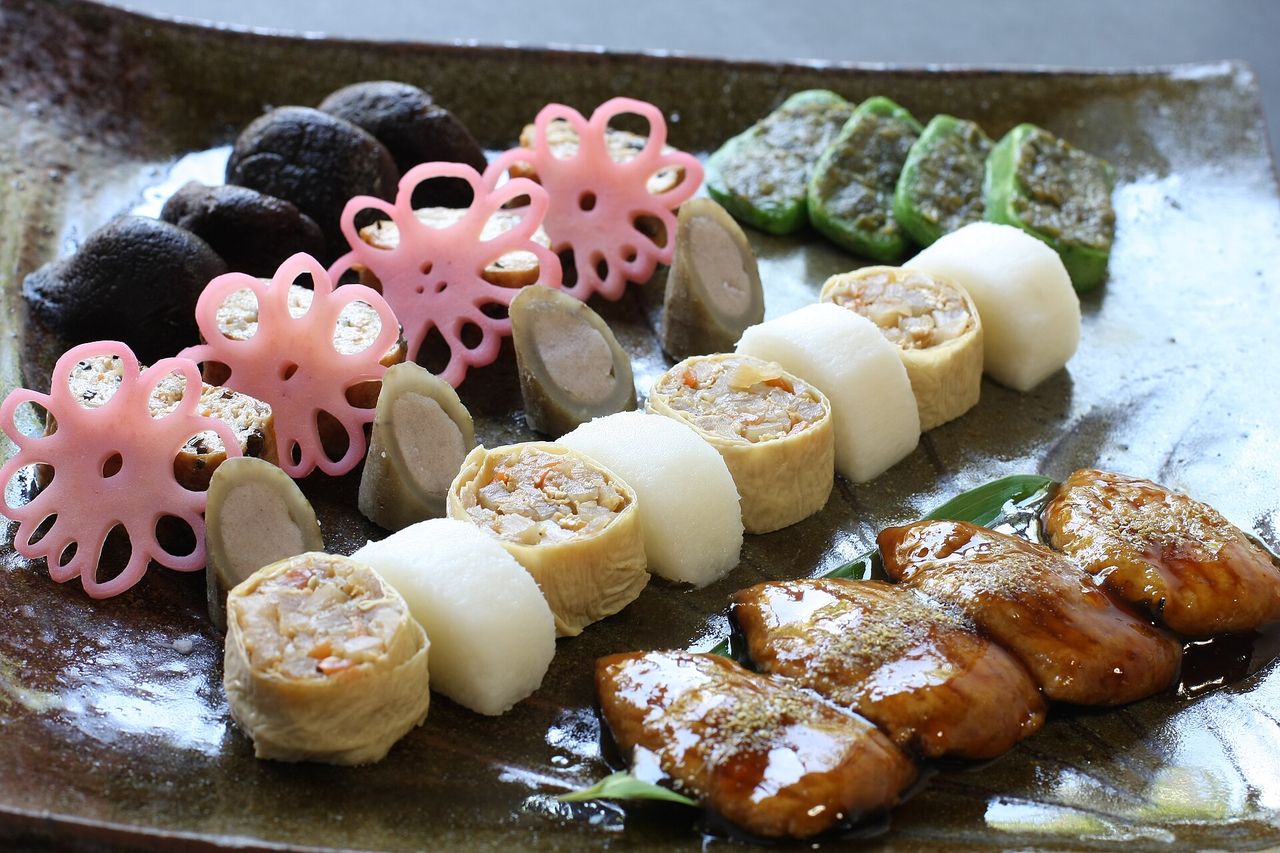
- Shunkan (筍羹): seasonal vegetables and dried ingredients arranged on a large platter. The official site treats it as the highlight of the meal.
- Mafu (麻腐): a tofu-like sesame dish, said to be the origin of goma-dofu (sesame tofu).
- Umpen (雲片): finely chopped vegetable trimmings in a kudzu-thickened sauce, described as named for its cloud-like look.
- Yuji (油茲): similar to tempura, but with seasoning already in the ingredients and batter.
- Sume (寿免) and shintsai (浸菜): a clear soup and a lightly seasoned dish of seasonal vegetables.
- Modoki dishes and suigo (水果): dishes made to resemble grilled eel or fish cake, and fruit or sweets to close the meal.

Learning about it at Manpuku-ji
Fucha ryori can be eaten within the grounds of Manpuku-ji. It is also introduced by Kyoto Prefecture’s tourism information and in the English page of the Japan National Tourism Organization (JNTO). Reservations are required, and course contents, prices, hours and closing days can change, so please check Manpuku-ji’s official website before you go.
Shojin cuisine is rooted in Buddhist dining practice. It overlaps with modern veganism in avoiding animal ingredients, but it is a meal with a religious background and the two should not be treated as the same thing. For the difference, see Shojin ryori vs. vegan. For places to try shojin in Japan, see How to try shojin ryori in Japan.
Cover image: An example of fucha ryori served in individual and shared dishes. Photo: 黄檗研究 / CC BY-SA 4.0 / Wikimedia Commons
