
Japan · Culture
Tenzo Kyokun and the Gokan no Ge: Mealtime Reflections from the Zen Kitchen
What is a tenzo?
A tenzo (典座) is the monastery officer in charge of preparing meals for the community in Zen temples. Dictionaries such as the Daijisen describe it as one of the six administrative posts (rokuchiji) that share the running of a temple. The Soto Zen school’s official website presents work in the kitchen as a form of practice alongside seated meditation. For background on the cuisine itself, see What is Shojin Ryori?

Background to the Tenzo Kyokun
Dogen was a Japanese Zen monk of the Kamakura period, known as the founder of the Soto school. According to the official Eiheiji website, soon after arriving in Song China he is said to have talked with the tenzo of Mount Ayuwang (Ikuo-zan) and been told that he did not yet understand practice. The site goes on to say that he later met an elderly monk again and was taught that practice is daily life itself.
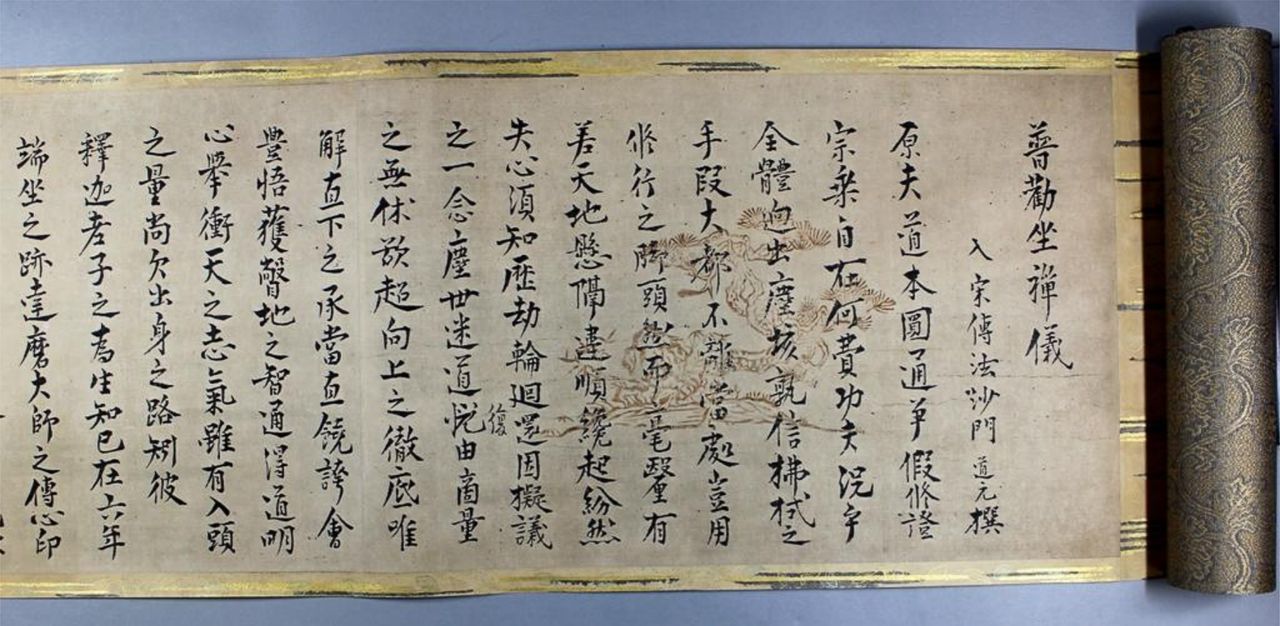
After returning to Japan, Dogen founded Koshoji temple in Fukakusa, Kyoto (reference works give 1233). The old edition of the Sekai Daihyakka Jiten (World Encyclopedia) says that in the spring of 1237 he wrote the Tenzo Kyokun, strictly setting right the way of life of the Koshoji community. Dogen then moved to Echizen in 1243, opened a temple called Daibutsuji, and it is said to have been renamed Eiheiji later. According to the Soto Zen website, the Fushukuhanpo, on meal etiquette, is said to have been written at Eiheiji. The same site describes the Tenzo Kyokun as a text on the cook’s attitude and the meaning of the work, and places it alongside the Fushukuhanpo as teachings on the value of the practice of making food and the practice of eating it.
The three attitudes: joyful, nurturing and magnanimous mind
According to the Soto Zen website, the three minds (sanshin) appear at the close of the Tenzo Kyokun as the attitudes to be kept by those who take on duties such as cooking. Based on that explanation, they can be summarized as follows.
- Joyful mind (kishin): welcoming the role as an opportunity for practice, and working with the wish that those who eat will be happy
- Nurturing mind (roshin): caring for those who eat as parents care for a child, without expecting anything in return
- Magnanimous mind (daishin): a mind like a mountain or an ocean, not biased, and not changing one’s manner according to how good the ingredients are or what one likes
Interpretations vary, and this is offered as one example following the official site’s explanation.

What the Gokan no Ge says
The Gokan no Ge (五観の偈, verse of the five reflections) is recorded in the Fushukuhanpo, and the Soto Zen website introduces it as a verse chanted before meals. The site explains that kan (観) means turning one’s attention to something and receiving it carefully. The wording can differ between traditions and translations; here we follow the wording on that site. The Japanese phrases below are short excerpts, each followed by a paraphrase in our own words.
- 「功の多少を計り、彼の来処を量る」: considering the effort and the journey behind the food that has reached us
- 「己が徳行の全欠を忖って供に応ず」: reflecting on whether our own conduct is fitting for this meal
- 「心を防ぎ過を離るることは貪等を宗とす」: guarding against greed and similar impulses that lead the mind astray
- 「正に良薬を事とするは形枯を療ぜんが為なり」: receiving the food like a remedy that sustains the body (a metaphor within the verse, not a statement about health benefits)
- 「成道の為の故に、今此の食を受く」: receiving this food now for the sake of walking the Buddhist path
One academic paper notes that Dogen is thought to have regarded the food a tenzo offers as one with the Buddhist teaching.
Relation to modern “mindful eating”
The Soto Zen website says that if one understands the five reflections and then says itadakimasu and gochisosama with them in mind, everyday meals can become a “practice of eating.” Some practitioners trained in Soto monasteries also describe oryoki (the formal bowl meal) as a meditative practice of paying attention to the food and to one’s own sensations.
These points seem to share ground with today’s mindful ways of eating. However, the sources we could confirm do not show that the two are historically connected, so it is safer to say only that they have similarities. For modern practice, see Mindful Eating, and for opportunities to encounter temple meals, What is Shukubo?
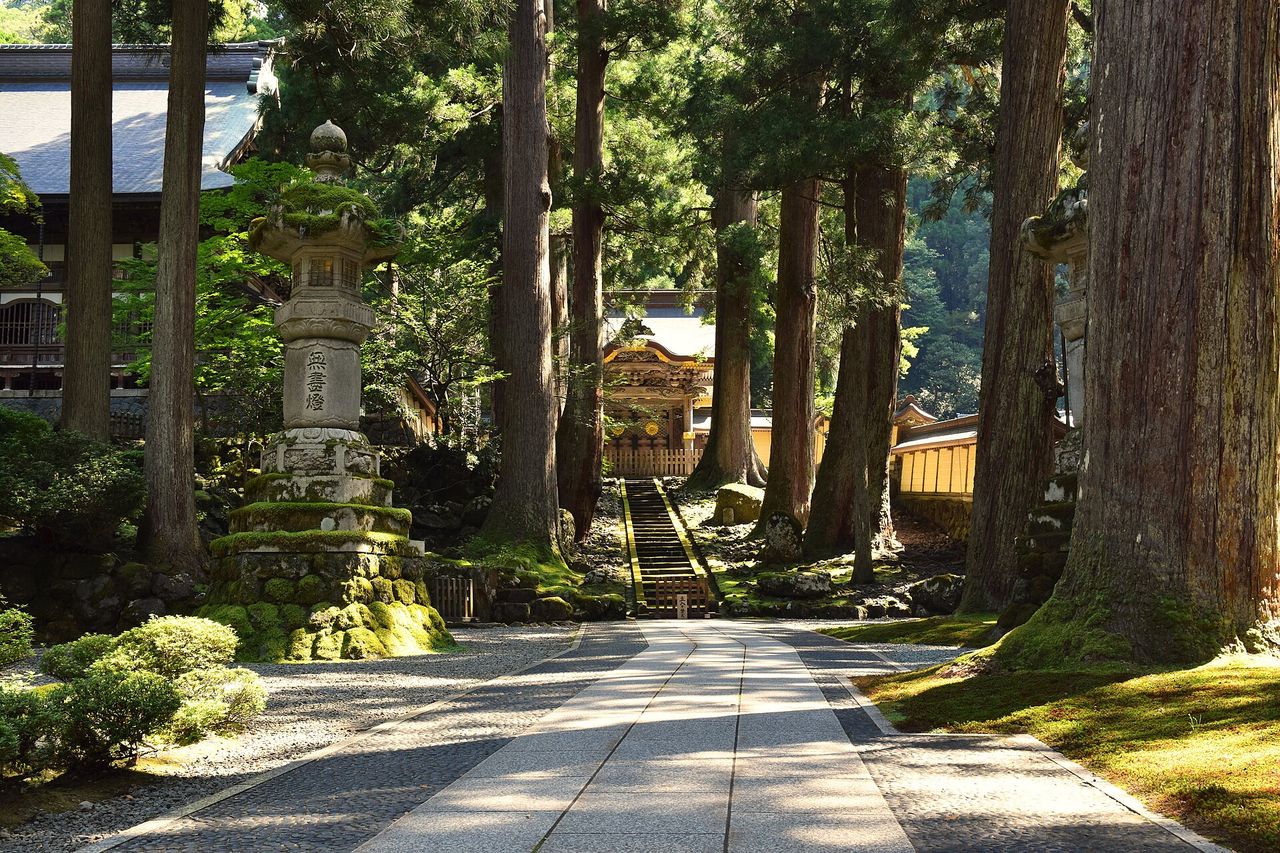
Cover image: Eihei-ji in Fukui Prefecture, one of the two head temples of the Soto school of Zen. Photo: 雷太 / CC BY 2.0 / Wikimedia Commons

Sources
- Learning from the Gokan no Ge (Soto Zen, SOTOZEN-NET, Japanese)
- Zazen and the Three Minds (Soto Zen, SOTOZEN-NET, Japanese)
- The Fushukuhanpo and Zen Meal Etiquette (Soto Zen, SOTOZEN-NET, Japanese)
- Eiheiji and Zen Master Dogen (Daihonzan Eiheiji, Japanese)
- Koshoji (Kotobank: Sekai Daihyakka Jiten, Daijisen, Nihon Daihyakka Zensho, Japanese)
- Tenzo (Weblio: Daijisen and others, Japanese)
- Dogen’s Idea of Receiving and Offering Food (Yoshihiro Fujii, Fuji Women’s University Bulletin, 2007)
- How to Practice Homestyle Oryoki (Lion’s Roar)