
Sri Lanka · Culture
Poya Days in Sri Lanka: Full Moon Holidays and the Rules on Alcohol and Meat Sales
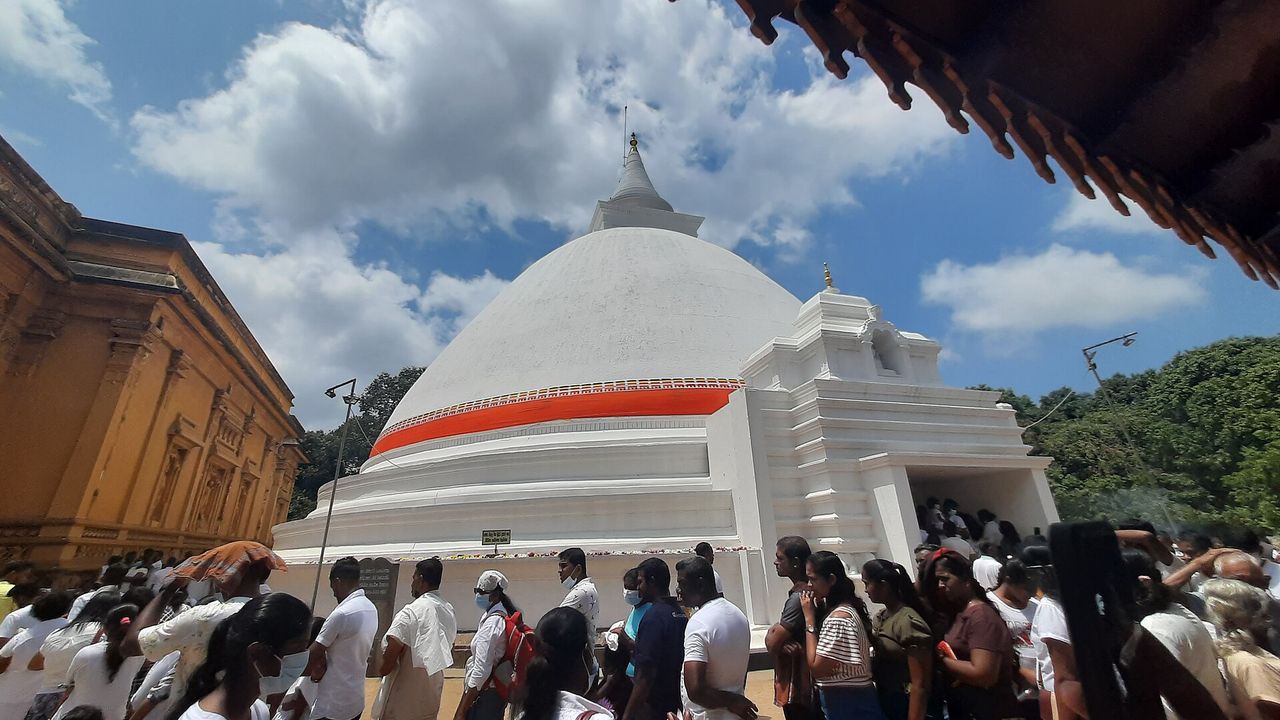
Poya is the monthly full moon Buddhist holiday in Sri Lanka. It corresponds to the Theravada observance known as uposatha, and Poya is described as its Sinhala name. The text of the Holidays Act of 1971 declares every Full Moon Poya Day a public holiday and a bank holiday. For the 2012 census, the Daily FT (2016) reported Buddhists at 70.19%, Hindus at 12.6%, Muslims at 9.7% and Christians at 7.4%. Poya is a day off for people of many faiths, and for Buddhists it is also a day of religious observance.
Temple visits and precepts
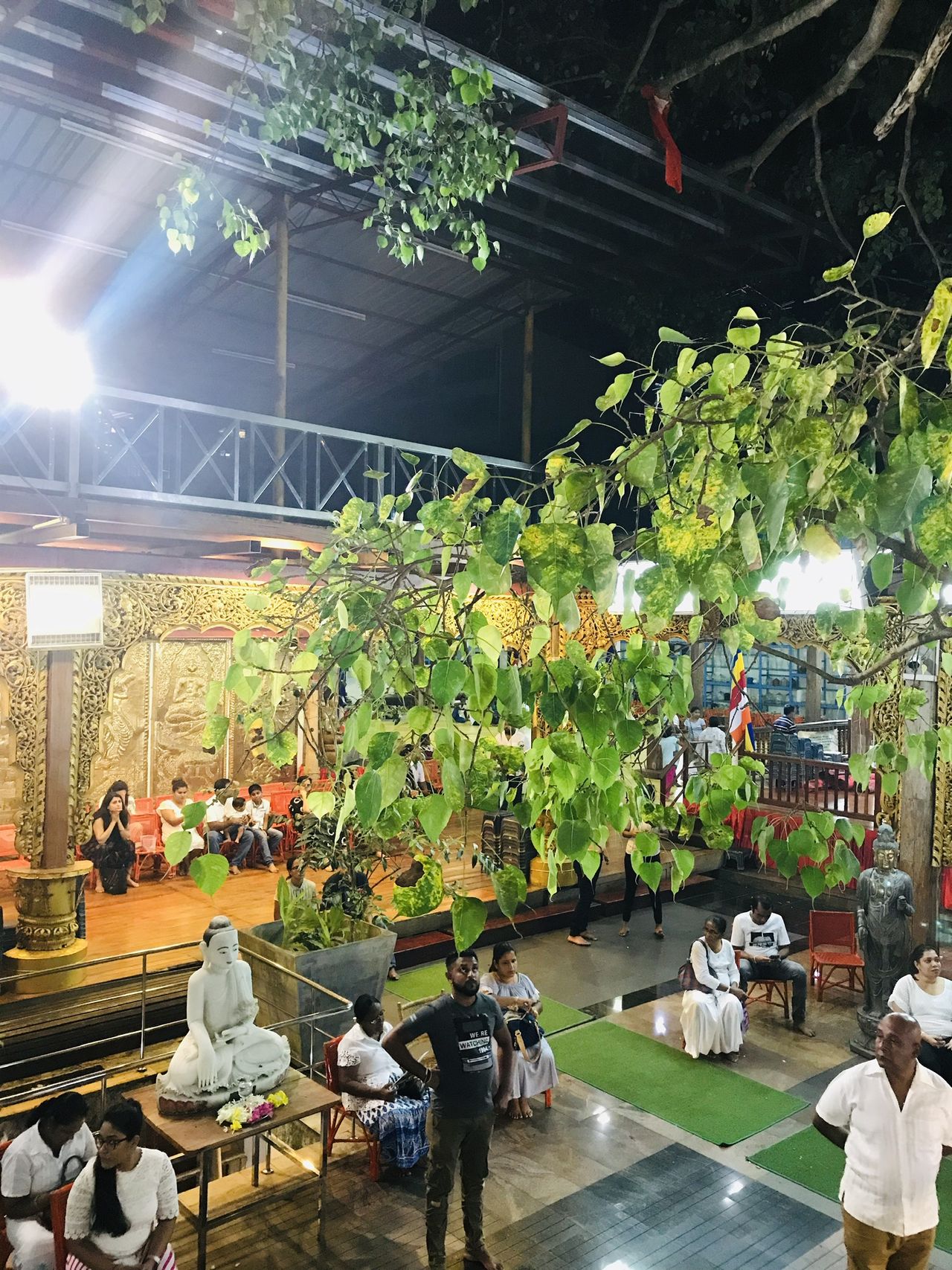
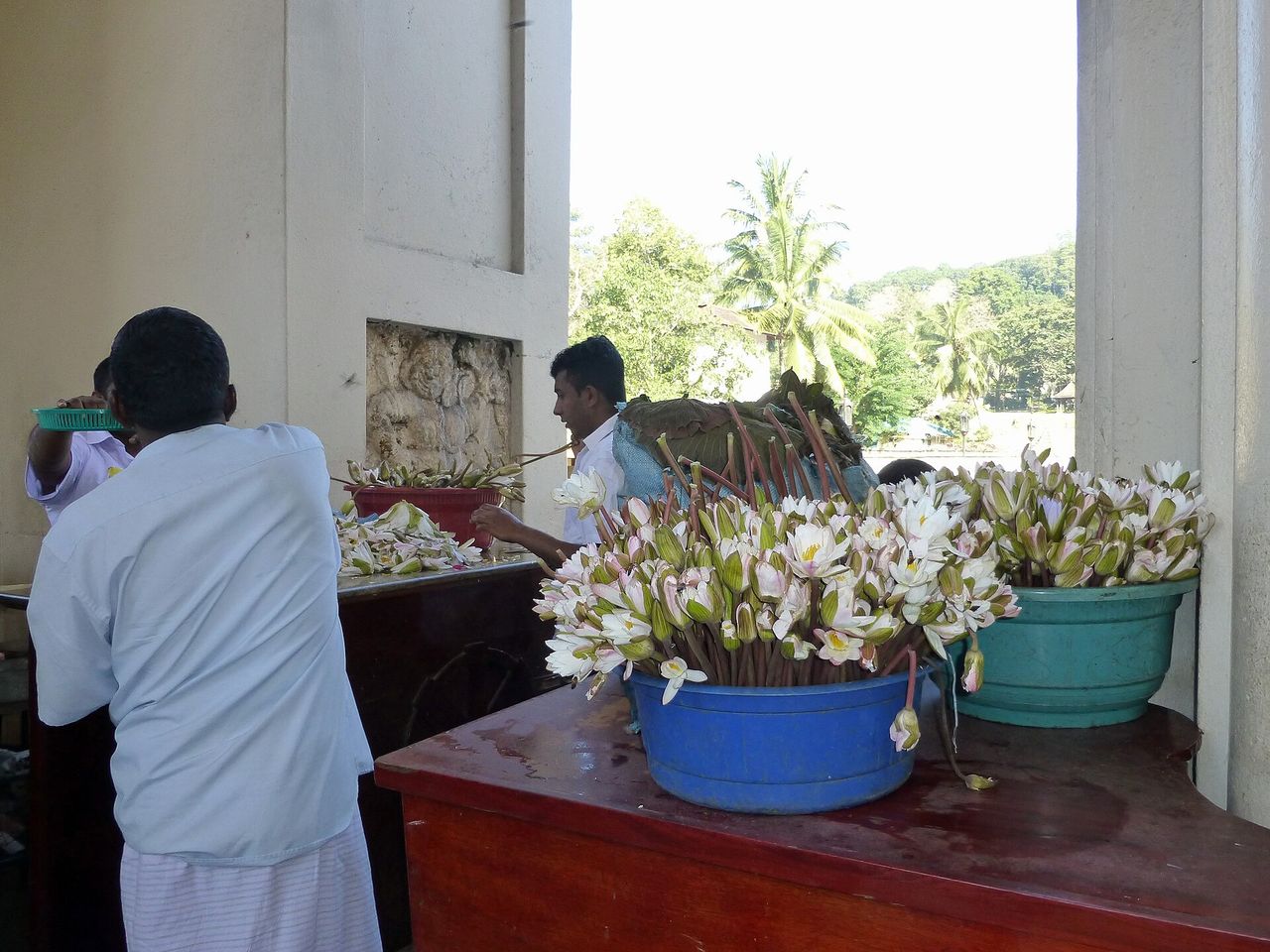
According to A. G. S. Kariyawasam’s account (published by Access to Insight), lay devotees visit a temple on Poya days to pay respects, and many take the Eight Precepts. They rise early, bathe, put on clean white clothes and go to the nearest temple, where a monk administers the precepts. The day then follows a routine of sermons, offerings and meditation. The same account notes that many flowers and lamps are offered on full moon days.
The Eight Precepts add to the everyday five by avoiding solid food after midday, entertainment and personal adornment, and luxurious beds and seats. Not everyone keeps them, and white clothing and the Eight Precepts are best understood as the practice of those who observe the day devoutly. An article by VOV World says observers avoid meat and eat the food donated to them at the temple (a single source, so treat it as supplementary).

Restrictions on alcohol and meat sales
The Holidays Act (the compiled text we could check; later amendments were not verified) prohibits keeping open night clubs, liquor premises, betting or gambling places and meat stalls on Full Moon Poya Days. It also bars slaughtering animals for sale and selling their flesh. The official Sri Lanka Tourism website (srilanka.travel) likewise states that the sale of alcohol, meat and fish is prohibited on full moon Poya days and that some shops close.
For alcohol, the Excise Department publishes dry days every year. In its February 2026 announcement (Daily Mirror), alcohol sales were prohibited islandwide on 19 days, and the list included 13 Poya days. The reported exemption for in-house hotel guests covered only the New Year days and Christmas; the article does not describe any exemption on Poya days. During festivals the restrictions can widen: for Poson Poya 2024, liquor sales were banned for seven days in the Anuradhapura sacred area (same newspaper).
Meat is less uniform. Around Vesak and Poson, the responsible ministry has ordered slaughterhouses, meat vendors and supermarket meat counters to close (examples: Poson 2020 and the 2026 State Vesak Festival). On the other hand, the travel guide Sri Lanka Spirit says tourist-oriented restaurants tend to operate as usual, while in areas with many Buddhists vegetarian-only menus are common. Because the statute and the guide differ, actual practice may vary by region, year and venue. Note also that these are rules about sales and business operations; they do not mean that Sri Lanka as a whole follows a vegetarian diet.
Offerings and food
Kariyawasam explains that at temples milk-rice is offered before the Buddha image in the morning, and a meal of rice and curry before noon. The food is prepared separately and is not tasted first. When lay people bring food to a monastery as alms, the first portion is offered to the Buddha and then to the monks.
Milk-rice is called kiribath in Sinhala. According to Wikipedia, it is eaten for breakfast on the first day of each month, at the New Year and at other auspicious occasions, and a version with mung beans is often prepared in temples. A tradition of Sujata offering milk-rice to the Buddha is also well known. However, we could not confirm in this research whether kiribath is specifically eaten on Poya days. Dansala, where free meals are handed out, is described in a travel guide as a roadside scene during Vesak.

What travelers should know
- Dates follow the lunar cycle and change every year. In 2026, for example, Vap Poya is 25 October, Il Poya 24 November and Unduvap Poya 23 December (Excise Department announcement). Check the latest announcement each year.
- It is safest to buy alcohol the day before. Hotel minibars are described as a grey area and are not guaranteed (Sri Lanka Spirit).
- Small shops often close, while tourist attractions and larger restaurants tend to stay open. Around Vesak, Poson and Esala, places such as Kandy, Anuradhapura and Mihintale get crowded, and transport is busy.
- At temples, cover shoulders and knees and remove shoes at the marked places. Many worshippers wear white, but we could not confirm whether visitors are expected to.
Lunar-day vegetarian habits exist elsewhere too. For the Vietnamese practice tied to the 1st and 15th of the lunar month, see this article. The systems and religious backgrounds differ, so please do not treat them as the same thing.
Cover image: Kelani Vihara on a Poya day, with visitors. Photo: Damith Madhuranga / CC BY-SA 4.0 / Wikimedia Commons

Sources
- Holidays Act, No. 29 of 1971 (compiled text)
- Sri Lanka Tourism – Sri Lankan Public Holidays
- Excise Department announces 19 dry days for 2026 (Daily Mirror)
- Countrywide liquor banned on Poson Poya Day (Daily Mirror)
- Meat shops, casinos & clubs closed for Vesak week (Sri Lanka Mirror)
- Ada Derana: ban on slaughter and sale of meat for Poson 2020
- Buddhist Ceremonies and Rituals of Sri Lanka (Access to Insight)
- Festivals in Sri Lanka: Poyas, Pilgrimages and Pierced Tongues
- Poya Day, a full moon-based religious holiday in Sri Lanka (VOV World)
- Tamil Buddhists (Daily FT)
- Poya day in Sri Lanka: what to expect as a visitor
- Poya (Wikipedia)
- Kiribath (Wikipedia)