
Japan · Culture
Kamakura’s Kenchō-ji and the Kenchinjiru at Tenshin’an

Summary
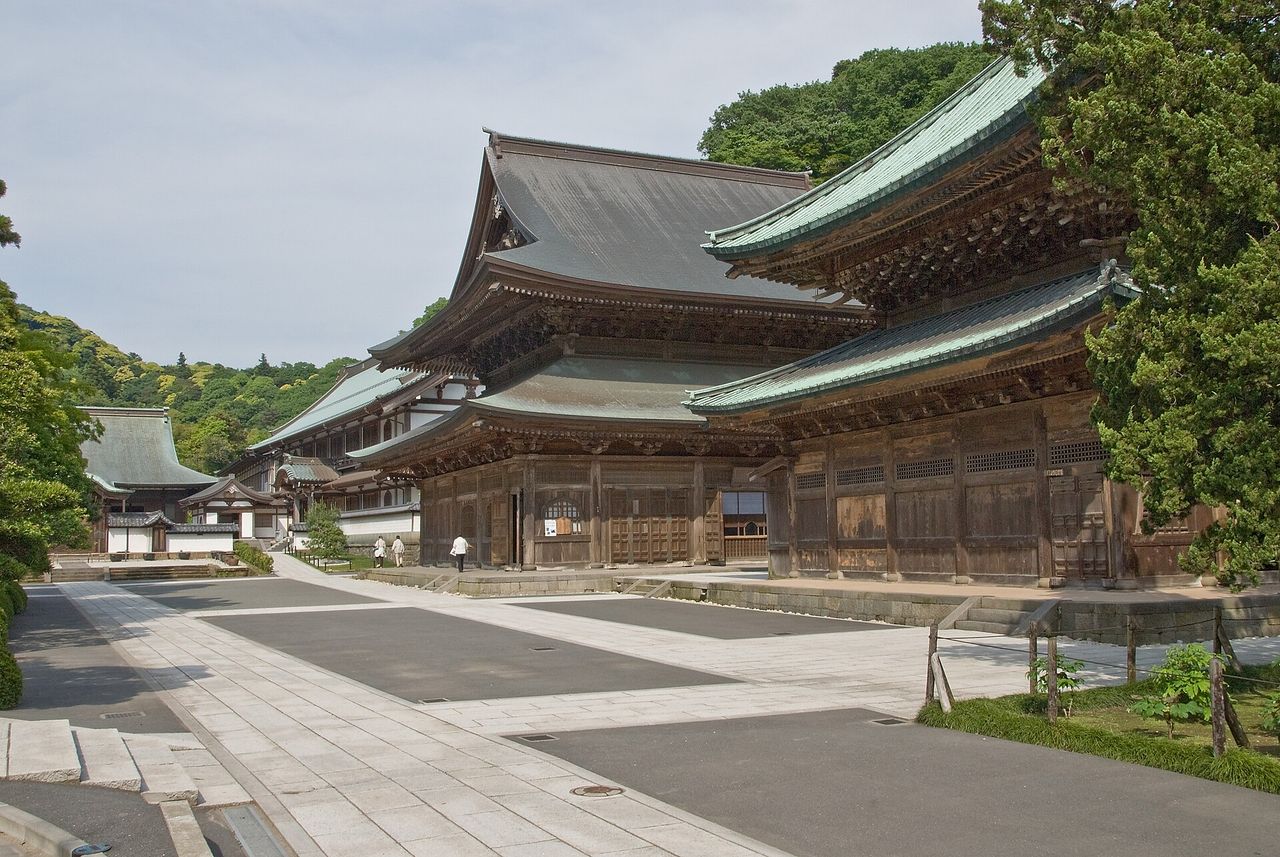
- It focuses on Kenchō-ji, a Zen temple founded in 1253 in Kamakura, and the adjoining teahouse Tenshin’an.
- Shojin ryori is explained not merely as avoiding animal products but as training to clear away worldly thoughts.
- It reached Japan through traveling monks in the medieval period, and was systematized by Dōgen in the mid-13th century.
- Meals involve silence, words of gratitude and no waste; the content is simple, such as soup and a vegetable side.
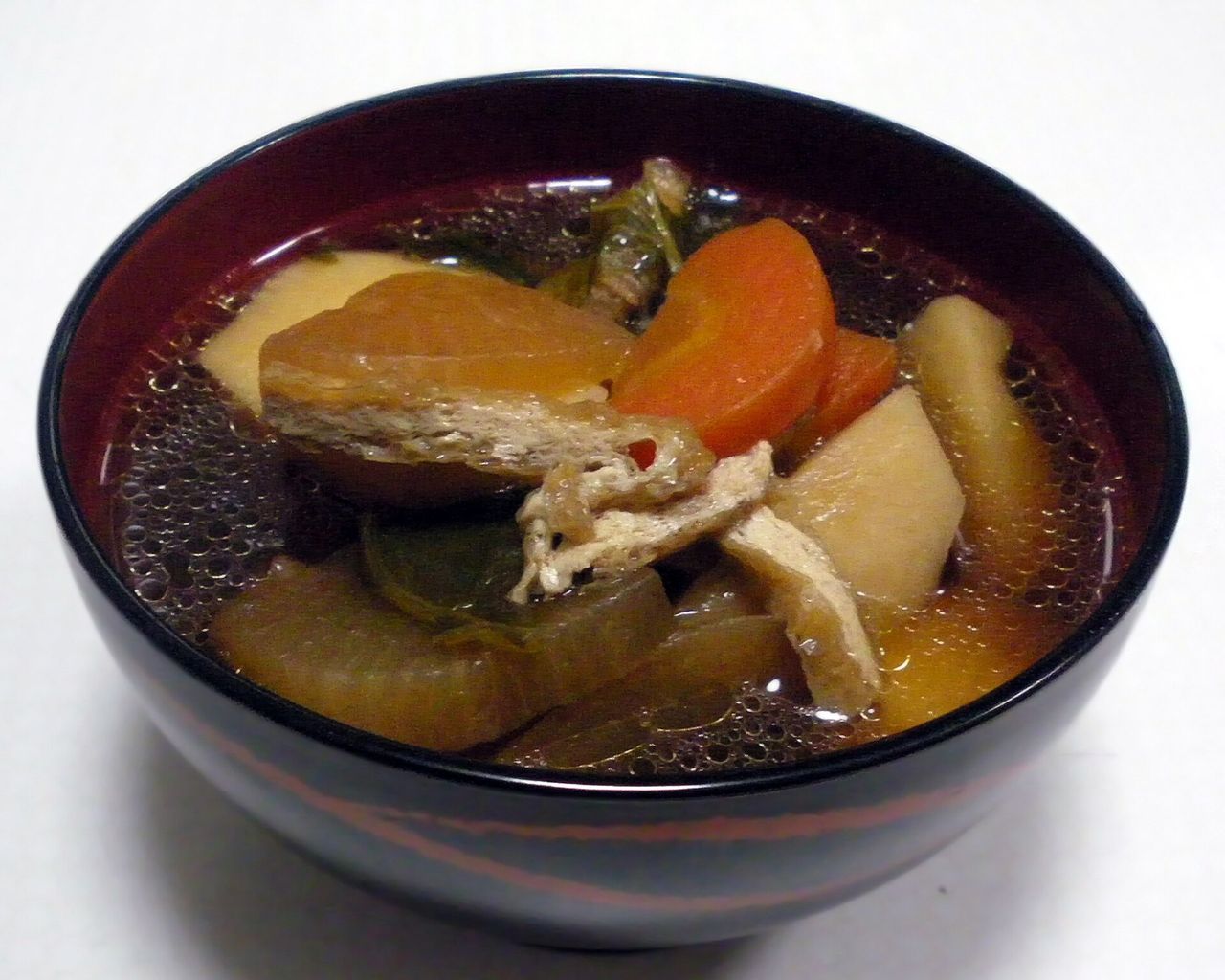
- A signature dish is kenchinjiru (chopped vegetables stir-fried then simmered); monks also eat rice porridge, pickled radish, miso soup and tofu.
- The temple dining hall is closed to outsiders, but Tenshin’an serves kenchinjiru with a view toward the training hall.

Editors’ comment
“Shojin = vegan” is a common shorthand, but this article conveys that etiquette and attitude are part of shojin, a view that matches our Shojin vs. Vegan Food.
Learning shojin through a named dish like kenchinjiru seems a friendly entry point for first-timers. Please check hours and closures with the temple or restaurant before visiting.
* This page is the editors’ summary of the article above, with our commentary. Please check the original for details and exact figures.