
Japan · Culture
Shojin Ryori vs. Vegan Food: What Is the Difference?
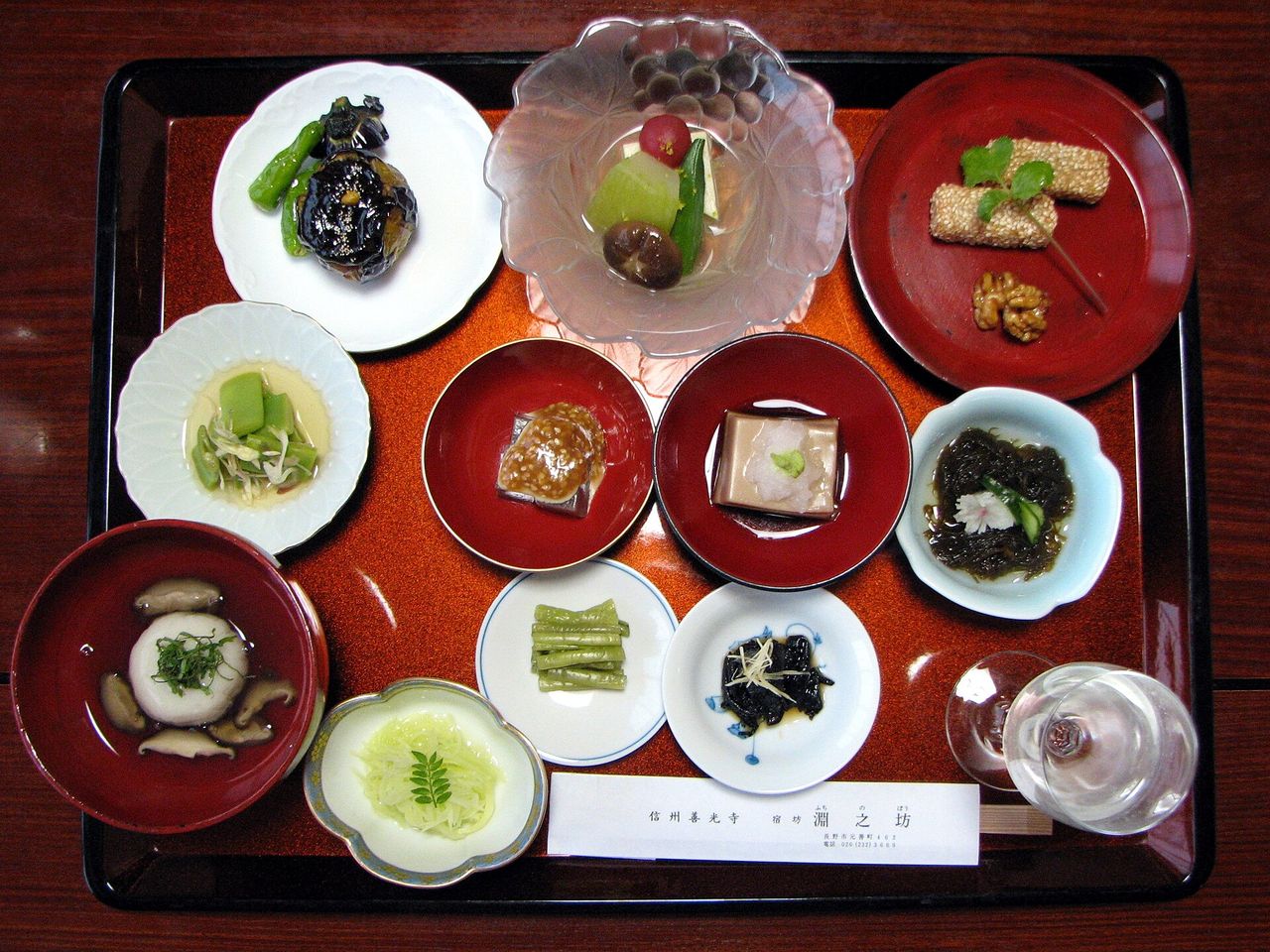
Shojin ryori developed as part of Buddhist, especially Zen, practice. Veganism is a modern ethical and lifestyle choice to avoid animal products.
Where they overlap
Neither uses meat or fish.

Where they differ
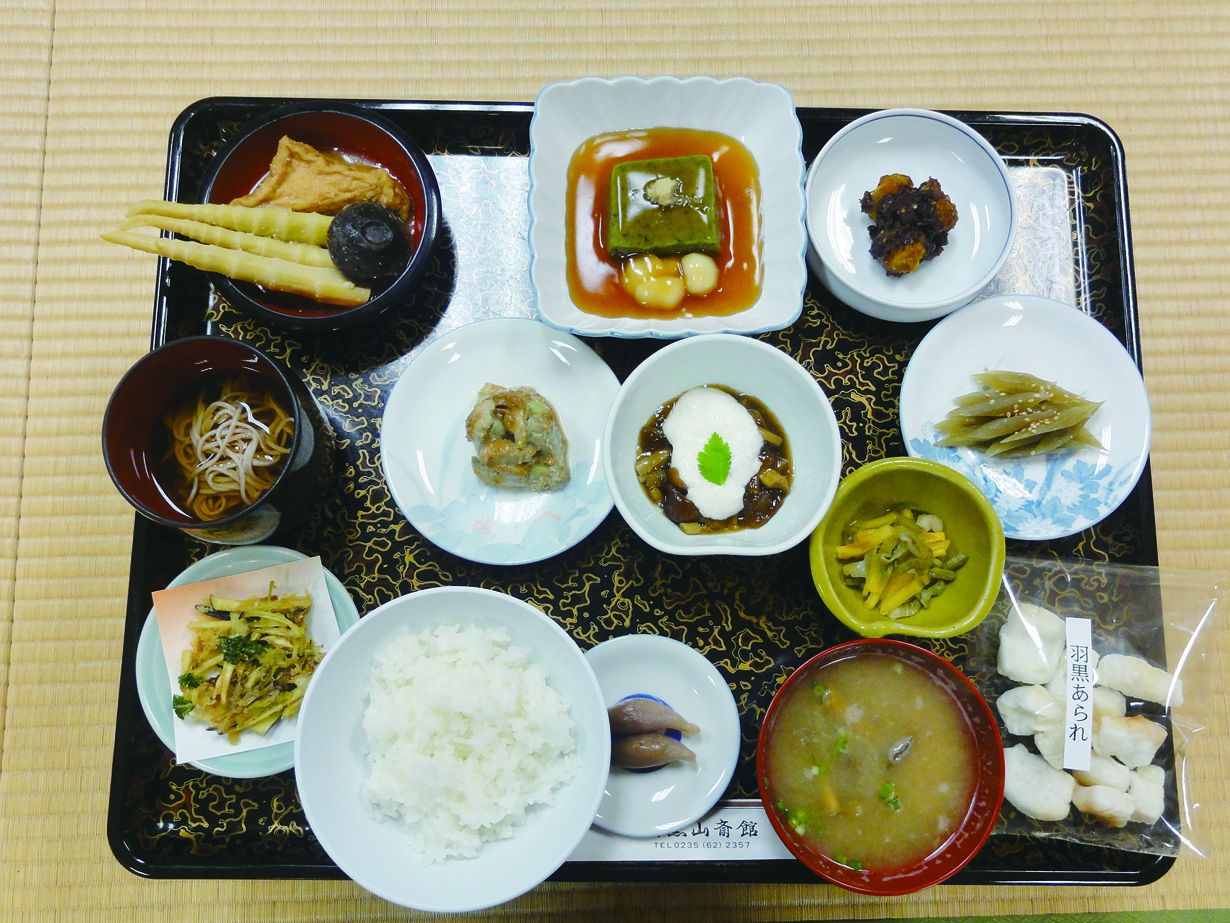
Shojin ryori carries the idea of preparing food as practice, and some traditions avoid the “five pungent vegetables” such as garlic and onions. Vegan food is defined by avoiding animal products, and garlic and onions are fine.
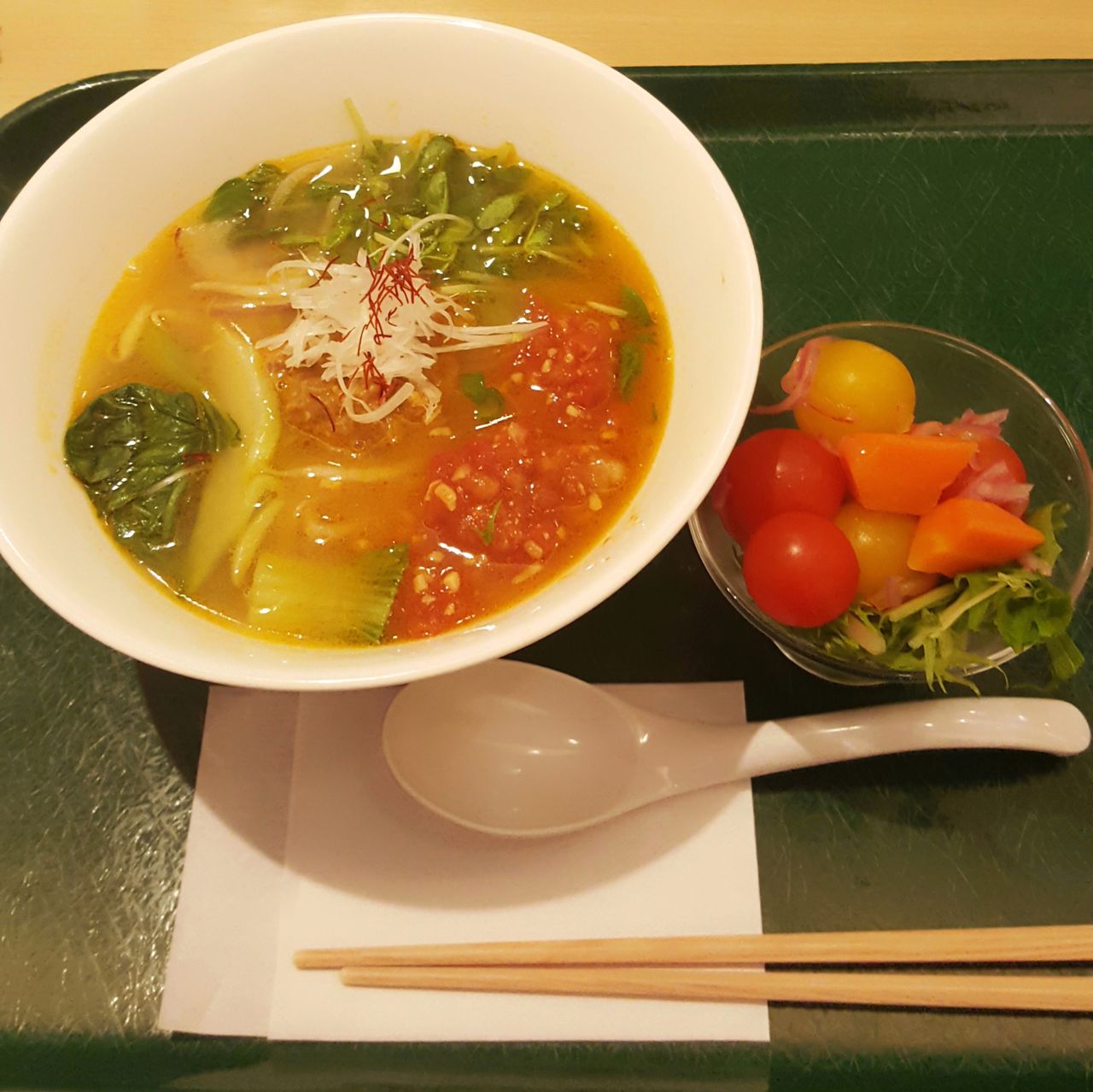

Cover image: A vegetarian dinner served at a temple in Nagano, with small dishes on a lacquer tray. Photo: Chris 73 / CC BY-SA 3.0 / Wikimedia Commons

A practical note
Some modern restaurants use animal-based stock or seasonings, so vegans should ask when booking.
ComChay does not rank one over the other; we respect the background of each.