
Vietnam · Culture
Vegetarian Meals on the Lunar 1st and 15th: Mùng Một and Ngày Rằm in Vietnam
Mùng một and ngày rằm on the lunar calendar
In Vietnam, the 1st day of the lunar month is called mùng một and the 15th is ngày rằm. They fall roughly around the new moon and the full moon, and on these two days many people, especially Buddhists, avoid meat and fish and eat vegetarian food (ăn chay). According to the official tourism site of the Vietnam National Authority of Tourism, many Buddhists eat vegetarian on these days, so restaurants offer more vegetarian choices and morning markets sell vegetarian items. Because lunar dates shift against the Western calendar every year, it is worth checking a lunar calendar before you travel.
For the wider background of vegetarian rice meals, see Why Do People in Vietnam Eat Cơm Chay?. This article focuses on the twice-monthly rhythm of the lunar calendar.

How Buddhists see it
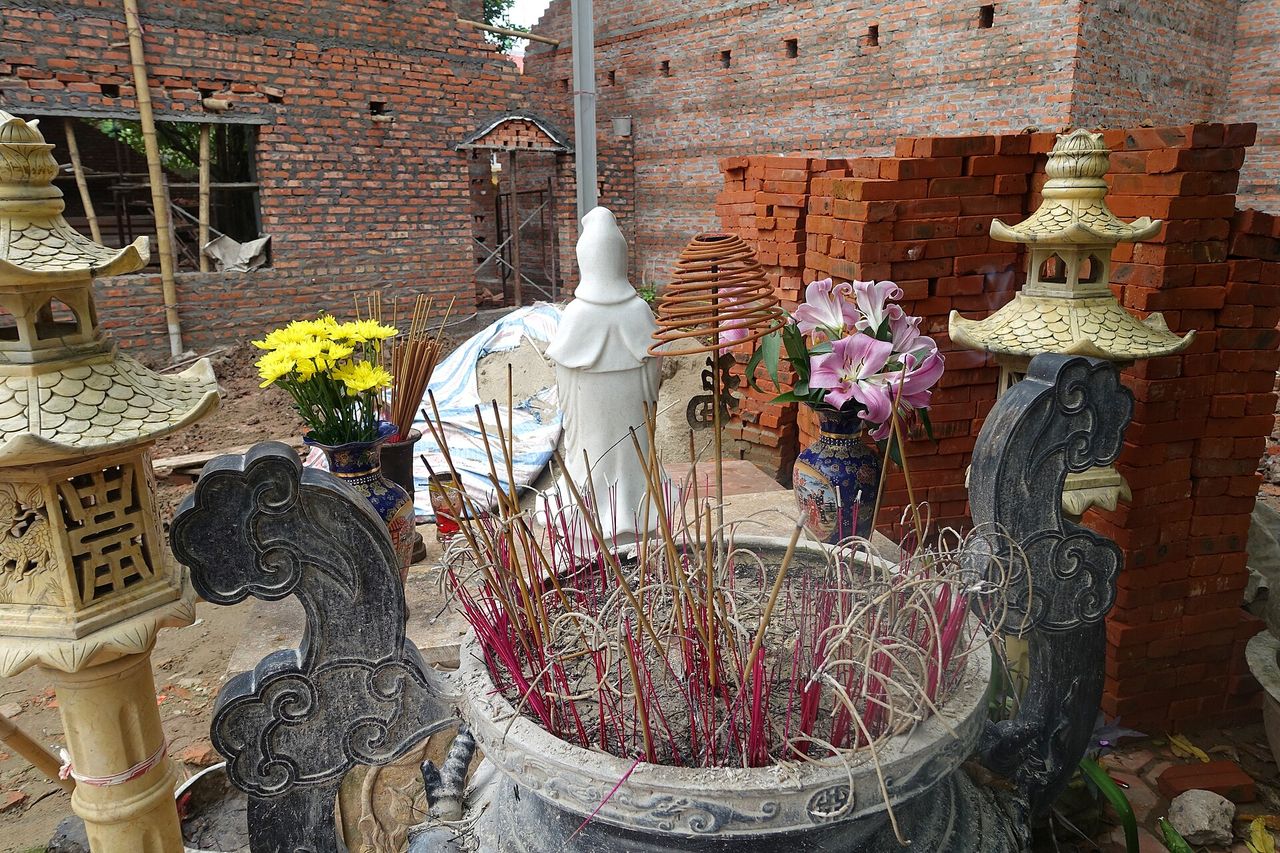
A 2016 article from the Vietnamese Buddhist outlet Giác Ngộ describes these days as “trai” days. Trai, it explains, narrowly means vegetarian food and, more broadly, purity. The reasons it gives include cultivating compassion and reducing killing, and it encourages going to a temple on these days to bow to the Buddha, chant, repent, make offerings, listen to Dharma talks and meditate. A two-day pattern is given as the 1st and 15th (or the 14th and 30th), and a four-day pattern as the 1st, 14th, 15th and 30th, so the way days are counted varies.
An article on phatgiao.org.vn, the information portal of the Vietnam Buddhist Sangha (Giáo hội Phật giáo Việt Nam), frames the 1st and 15th as the beginning and fullness of the moon’s cycle, an occasion to reflect and bring body and mind into order. It also says that eating vegetarian should be voluntary and sincere, not a way to show virtue or to judge others.
A few days a month versus long-term vegetarianism
Keeping vegetarian on fixed days of the month is called chay kỳ, while keeping it for a long period is called chay trường. According to a 2024 advice article in Giác Ngộ, Mahayana monks and nuns are generally strictly vegetarian, laypeople are encouraged to keep at least two vegetarian days a month, and more days or chay trường is considered even better. At the same time, it says laypeople should not be pressed into it, because circumstances differ. It also stresses that practices such as keeping the five precepts, giving, bowing and chanting matter just as much, and describes vegetarian eating as a supporting condition for practice. The same article notes that early Buddhism had no vegetarian rule and that Theravada monks today follow that tradition, so views on food differ among Buddhist traditions.

Temples, markets and restaurants
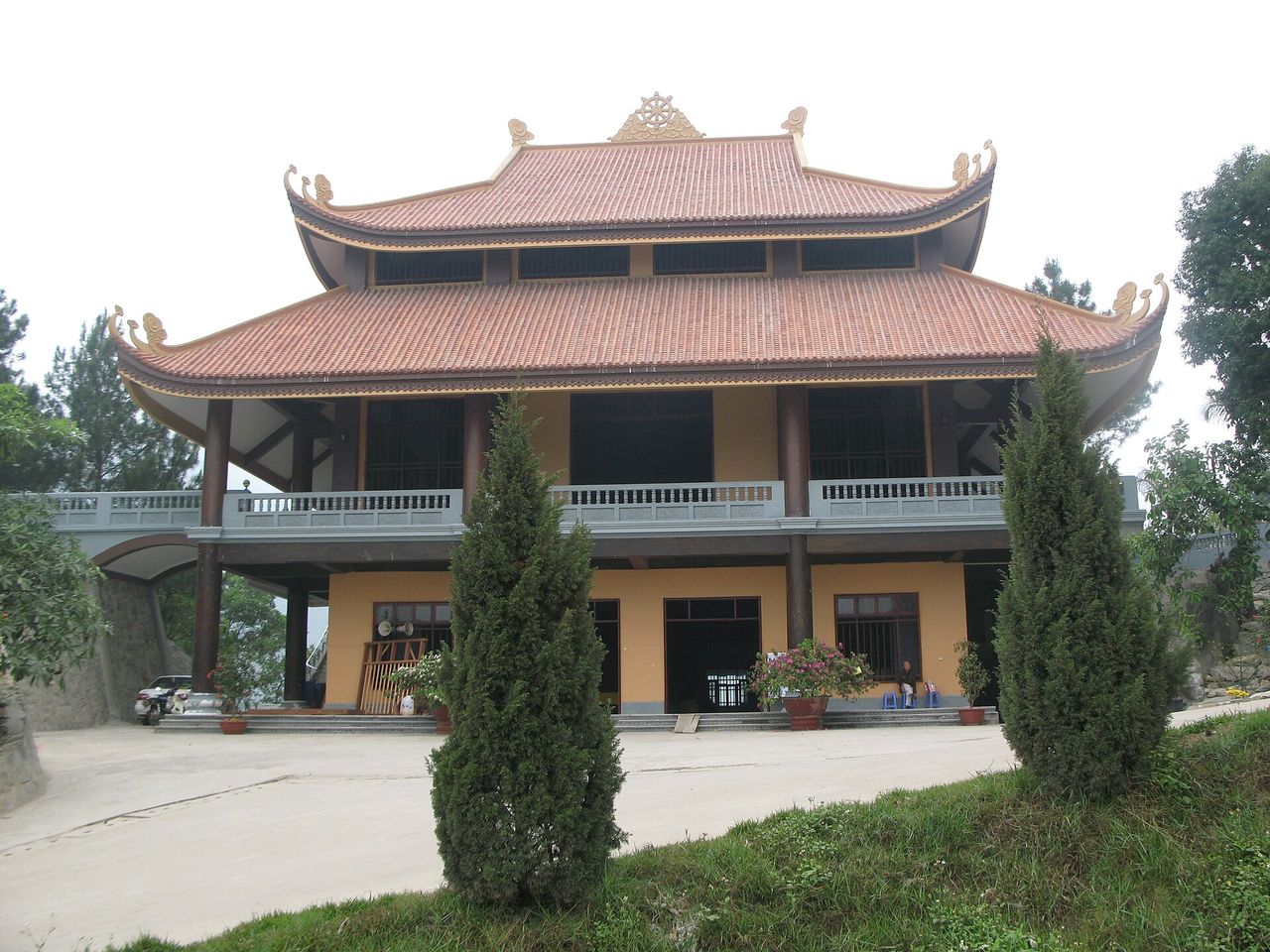
- Hanoi: A 2009 Giác Ngộ article says vegetarian meals are served at temples on the 1st and 15th and on holidays, naming old temples such as Quán Sứ, Trấn Quốc and Cống Trắng. The abbot of Phụng Thánh (Cống Trắng) Temple, a nun, is quoted as saying that the cooking method changes the taste even with the same ingredients; the temple’s meals are described as 17 to 18 seasonal dishes.
- Huế: According to a 2012 VnExpress article, some people eat vegetarian all year (chay trường), while others do so only on the 30th, 1st, 14th and 15th of the lunar month. Markets such as Đông Ba, Bến Ngự and An Cựu sell vegetarian dishes made to resemble meat dishes, and vegetarian versions of everyday foods appear on the 1st and 15th. Some eel, clam and fish noodle shops reportedly close on those days.
- Ho Chi Minh City: In 2010 VnExpress reported that on the first full moon of the year (the 15th of the first lunar month), vegetarian restaurants filled up with people hoping for good luck, and market vegetables sold out within hours. This is an example of a special once-a-year day, and an ordinary 1st or 15th may not be as crowded.
- Vu Lan (the seventh lunar month): A 2016 Viet Nam News article quotes a family that eats vegetarian two days a month (the 1st and 15th) and for the whole Vu Lan month, and reports higher demand at vegetarian eateries in that period.
These are reports from particular years and places; actual practice differs by region, family and restaurant.
What it means for travelers
- The dates follow the lunar calendar. Once your itinerary is set, check the 1st and 15th on a lunar calendar as a rough guide.
- Searching for “quán chay” or “cơm chay” helps you find restaurants. How to Find Cơm Chay in Vietnam has more tips.
- The tourism authority’s guide lists useful phrases such as “Tôi ăn chay” (I eat vegetarian) and “không nước mắm” (no fish sauce). Ingredients differ from place to place, so it is reasonable to ask when ordering if something matters to you.
- Temples are also places where Buddhists come to worship and practice. Be quiet and mindful of dress when visiting. For how this food is positioned, see What Is Cơm Chay?.
Vegetarian meals on the lunar 1st and 15th are a custom where the calendar, faith and everyday meals meet. Observance varies, so it is best understood as differing by region and family.
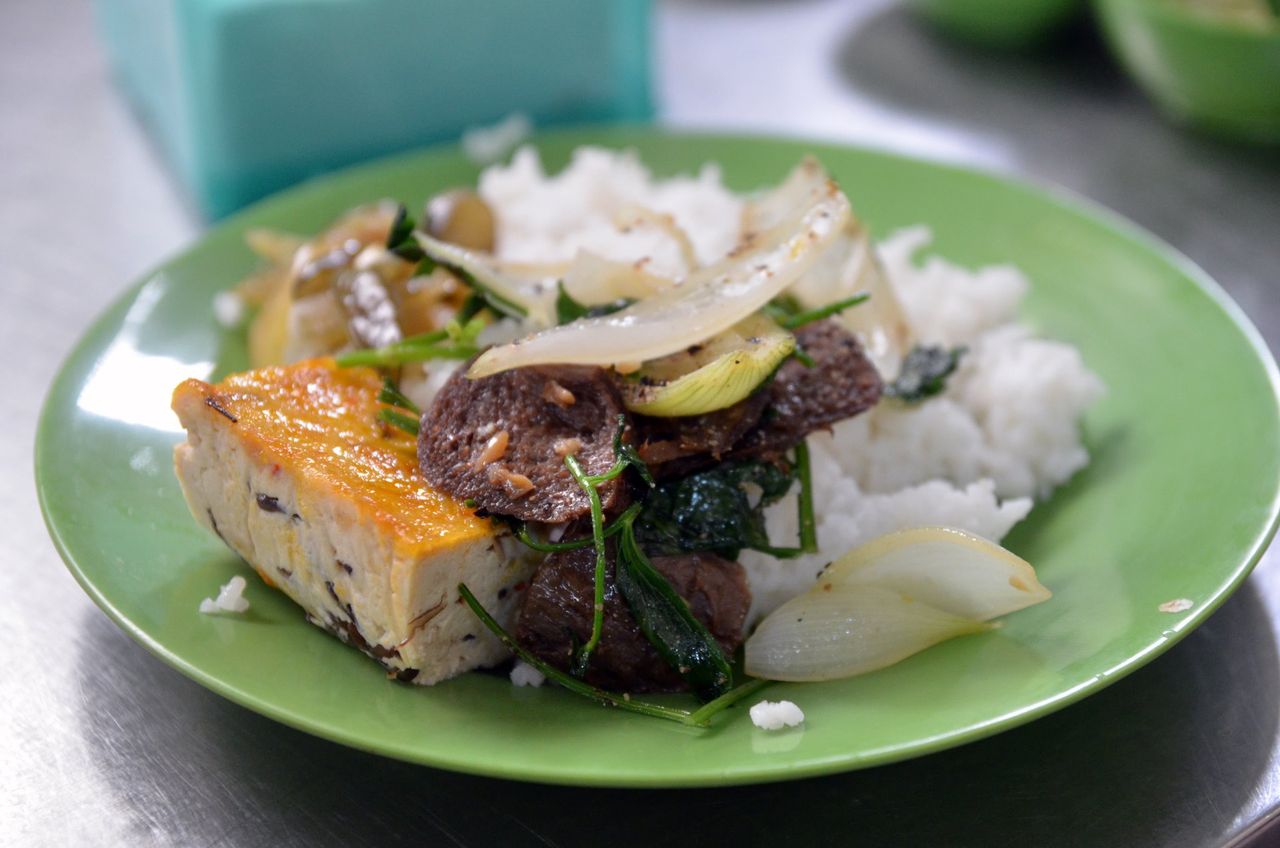
Cover image: Rice with meat-substitute vegetarian dishes at a small Buddhist restaurant in Ho Chi Minh City. Photo: Takeaway / CC BY-SA 3.0 / Wikimedia Commons

Sources
- Vì sao ăn chay vào ngày rằm? (Giác Ngộ Online, 2016)
- Ăn chay để trợ duyên tu hành (Giác Ngộ Online, 2024)
- Tại sao nên ăn chay ngày rằm, mùng 1? (phatgiao.org.vn)
- Cơm chay ngày Rằm (Giác Ngộ Online, 2009)
- ‘Thành phố ăn chay’ (VnExpress, 2012)
- Đổ xô ăn chay cầu may rằm tháng Giêng (VnExpress, 2010)
- Cẩm nang ăn chay tại Việt Nam (vietnam.travel, Vietnam National Authority of Tourism)
- Veggie eateries boom in Vu Lan (Viet Nam News, 2016)