
Vietnam · Culture
Vegetarian Eating in Vietnam Didn’t Suddenly Take Off

Summary
- It argues vegetarian eating in Vietnam is not new and is spreading naturally beyond religious occasions into daily life.
- The shift is framed less as ideological conversion than as lifestyle change, such as health concerns and easier access to information.
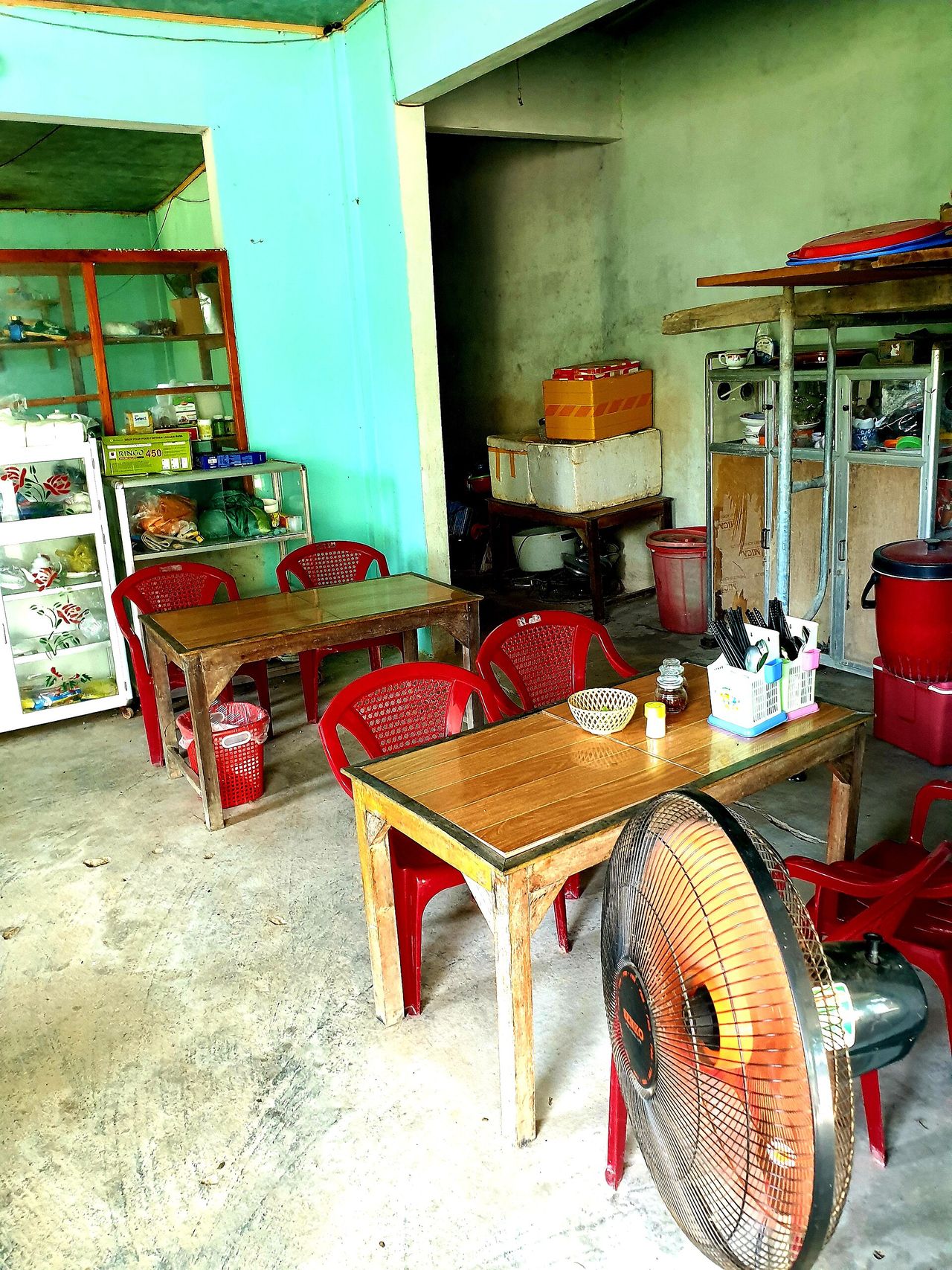
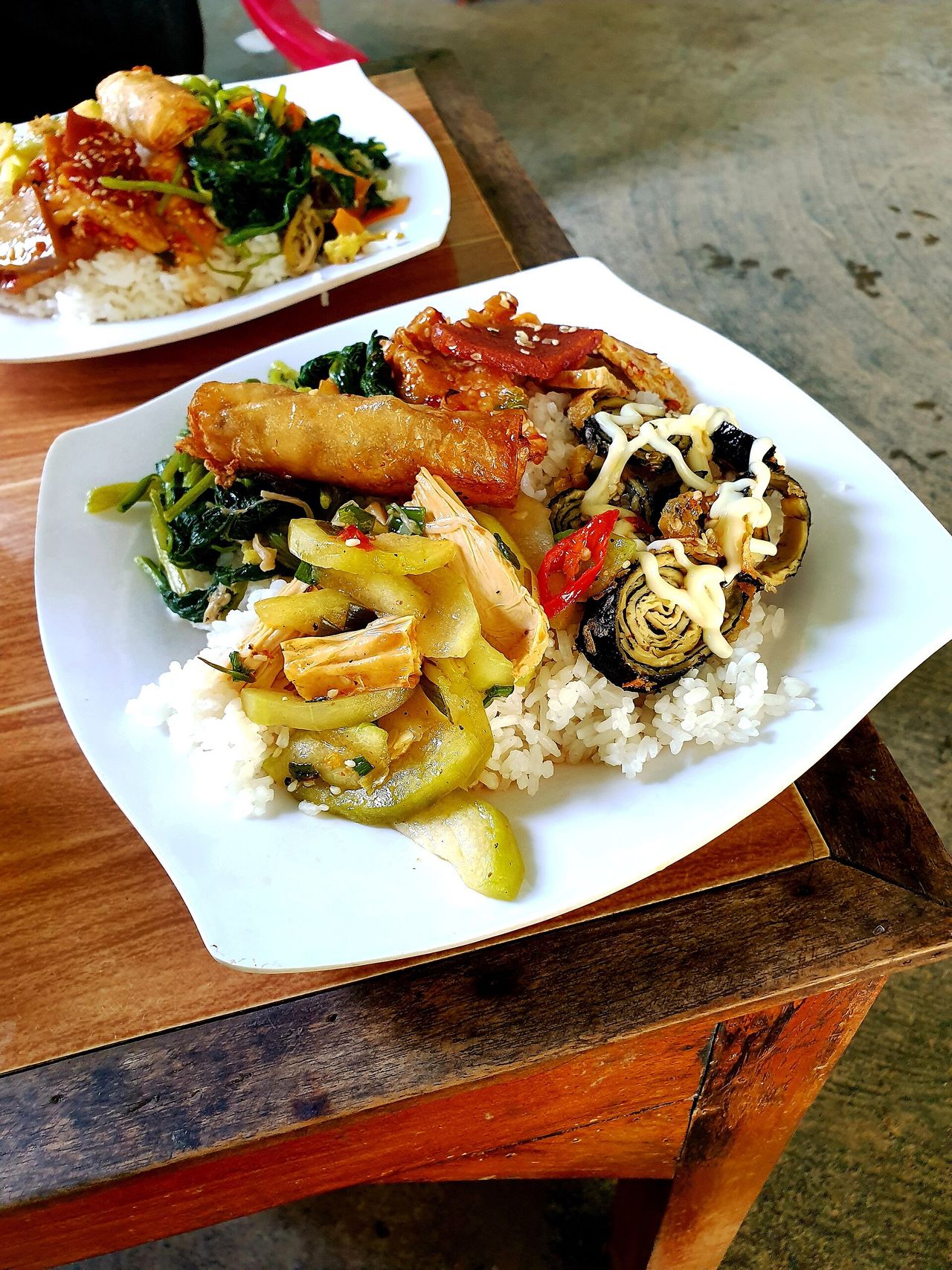
- The roots are in Buddhist practice, tied to compassion, certain lunar days and prayer. Temple kitchens developed techniques for satisfying meals rather than meat substitutes.
- On numbers, it gives the plant-based market as about US$103–112 million in 2024, projected to exceed US$220 million by 2033; 45% of consumers eat vegetarian meals several times a week; and 72–80% say they would pay more for sustainable products.
- It adds that rice-centered meals are easy to make vegetarian by simply removing the meat.

Editors’ comment
The point that temple kitchens nurtured plant-based techniques connects with the thinking behind shojin ryori (What Is Shojin Ryori?).
However, this is a personal blog, and the sources of the market-size and percentage figures could not be confirmed from our summary. We do not cite them as fact; we only report that the article says so. Please check the original.
* This page is the editors’ summary of the article above, with our commentary. Please check the original for details and exact figures.