
Korea · Food
Korean Temple Food and Balwoo Gongyang: The Monastic Meal of Four Bowls
What is Korean temple food (사찰음식, sachal eumsik)?
Temple food is a culinary tradition handed down in Korean Buddhist temples as part of monastic life. According to Korea JoongAng Daily (June 21, 2016), it uses no meat, milk or eggs, and is shaped so that it does not overstimulate the palate and disturb meditation. Like Japanese shojin ryori, it is rooted in Buddhist thinking, but its main ingredients are distinctly Korean, such as fermented soybean paste (doenjang) and wild plants gathered around the temple.
A 2017 article in the Buddhist magazine Tricycle says Korean Buddhist diets have a history of about 1,700 years. Korea JoongAng Daily (September 24, 2019) reports that monks have traditionally foraged seasonal vegetables in the mountains near their temples. It is also said that during the Joseon period, dishes with regional and temple-specific character took shape.

The five pungent vegetables (오신채, osinchae) and how flavor is built
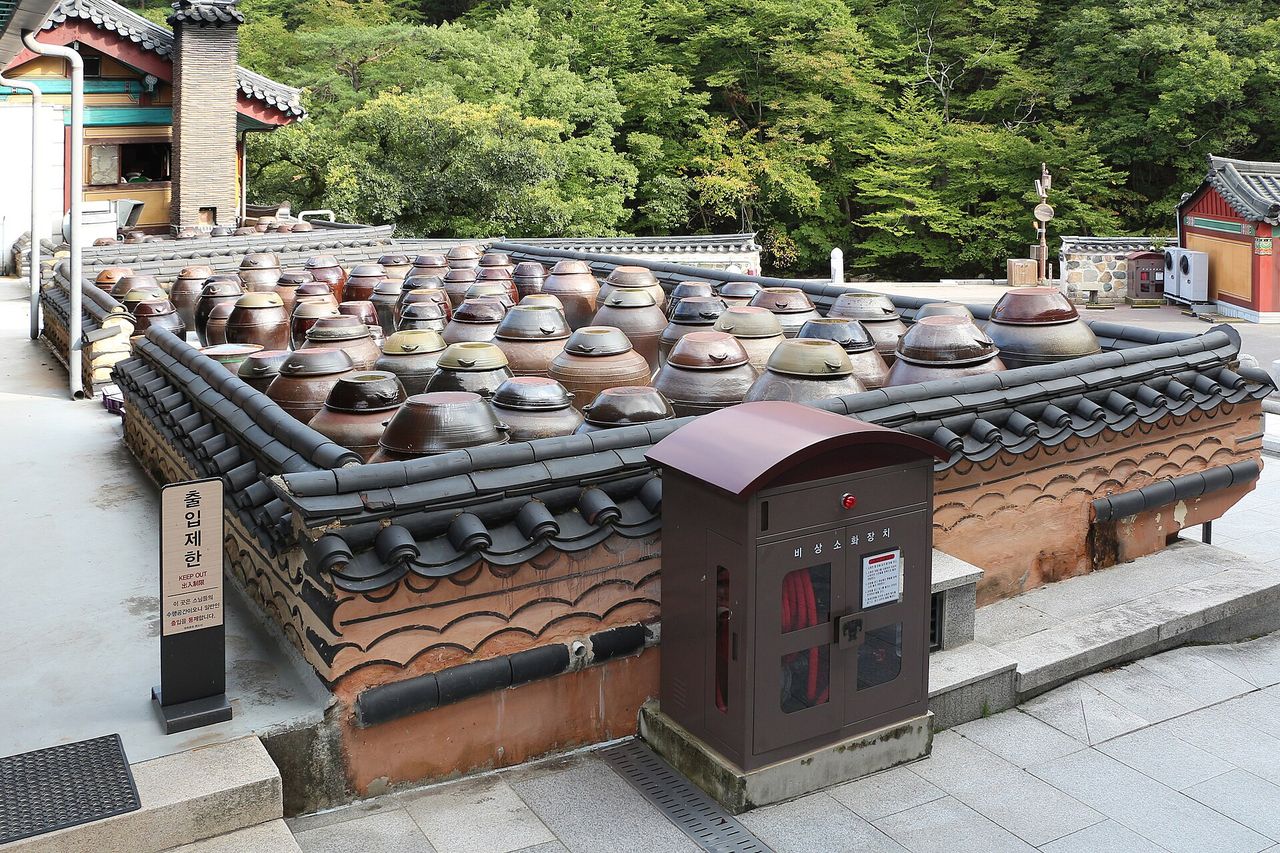
One notable feature is osinchae, the avoidance of strongly flavored vegetables. Tricycle lists scallion, garlic, chive, wild garlic and onion, and explains that they have traditionally been thought to stir up desire when cooked and anger when eaten raw. Korea JoongAng Daily (2016) instead names scallion, garlic, wild chive (dallae), chive (buchu) and a scallion-like plant called heunggeo, so the exact list differs depending on the source.
Without aromatics, cooks find other ways to build flavor. According to the same newspaper, broth is made from vegetables such as dried shiitake and radish rather than the anchovy stock common in everyday Korean cooking.
These rules come from a religious background of monastic discipline, so their starting point differs from that of modern veganism. The distinction is discussed in Shojin vs. Vegan. The sources we could confirm do not address details such as honey, which may vary from temple to temple.
How balwoo gongyang (발우공양, balwoo gongyang) is practiced
Balwoo gongyang is a formal communal meal with set etiquette, handed down in Korean Buddhist temples. According to The Korea Times (August 26, 2010, a contribution by David A. Mason), “balwoo” refers to the four bowls that hold the food, and “gongyang” means offering food to monastics. It is mainly held during ceremonies and intensive retreats, forms part of Seon (Zen) training, and is also included in Templestay programs. The official Templestay website lists it as one of its experiences.
The flow described in that article is roughly as follows.
- The four bowls nest together and, from largest to smallest, hold rice, soup, side dishes and water (accounts differ on what goes in each bowl).
- Diners sit cross-legged in the lotus posture and keep silent apart from necessary words.
- A verse is recited before eating, recalling the effort behind the food and gratitude for it. A bamboo percussion instrument signals each stage.
- Each person takes only what they can finish and leaves nothing in the bowls.
- At the end the bowls are rinsed with tea or water, wiped with a reserved piece of kimchi, and the rinse is drunk.
Korea JoongAng Daily (2019) likewise conveys the spirit of wasting not a single grain. Details vary by temple and program.

Where it stands today, and what to keep in mind
Korea JoongAng Daily (2016) reports that temple food drew attention in the mid-2000s, prompting a surge of restaurants, then cooled for a while before interest picked up again. The same paper (2019) says that the 2017 appearance of the Buddhist nun Jeong Kwan in the Netflix documentary series Chef’s Table raised travelers’ interest. Tricycle, citing the Cultural Corps of Korean Buddhism, says more than 55,000 foreigners visit mountain temples each year to experience it (as of 2017).
The nun Beop Song, interviewed in that article, names cleanliness, harmony and natural flavor as guidelines for cooking. The attitude of receiving food as nourishment for practice resonates with mindful eating. Visitors do not need to follow the monks’ etiquette exactly; learning the ideas behind it is what matters, according to the 2019 article.
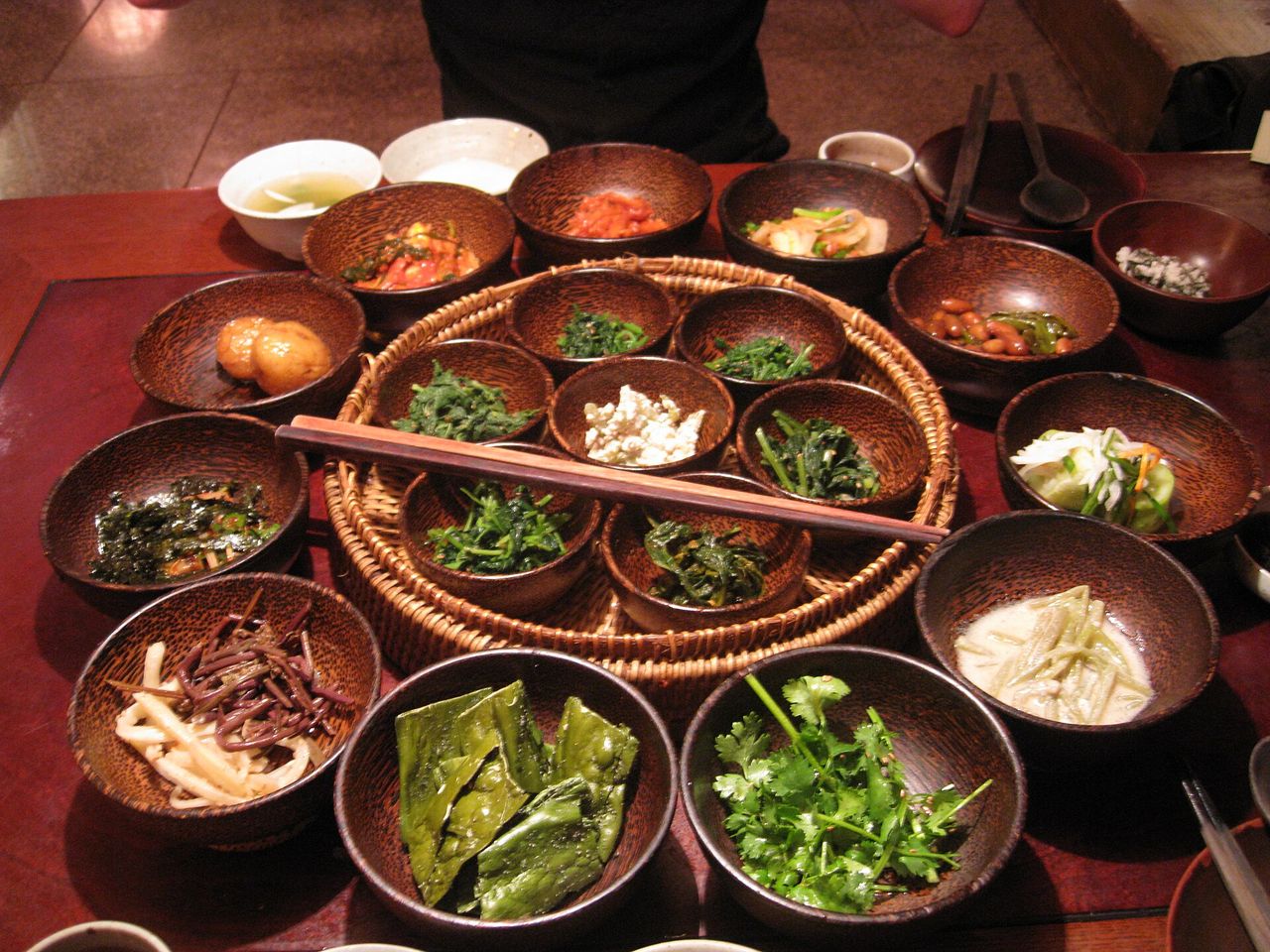
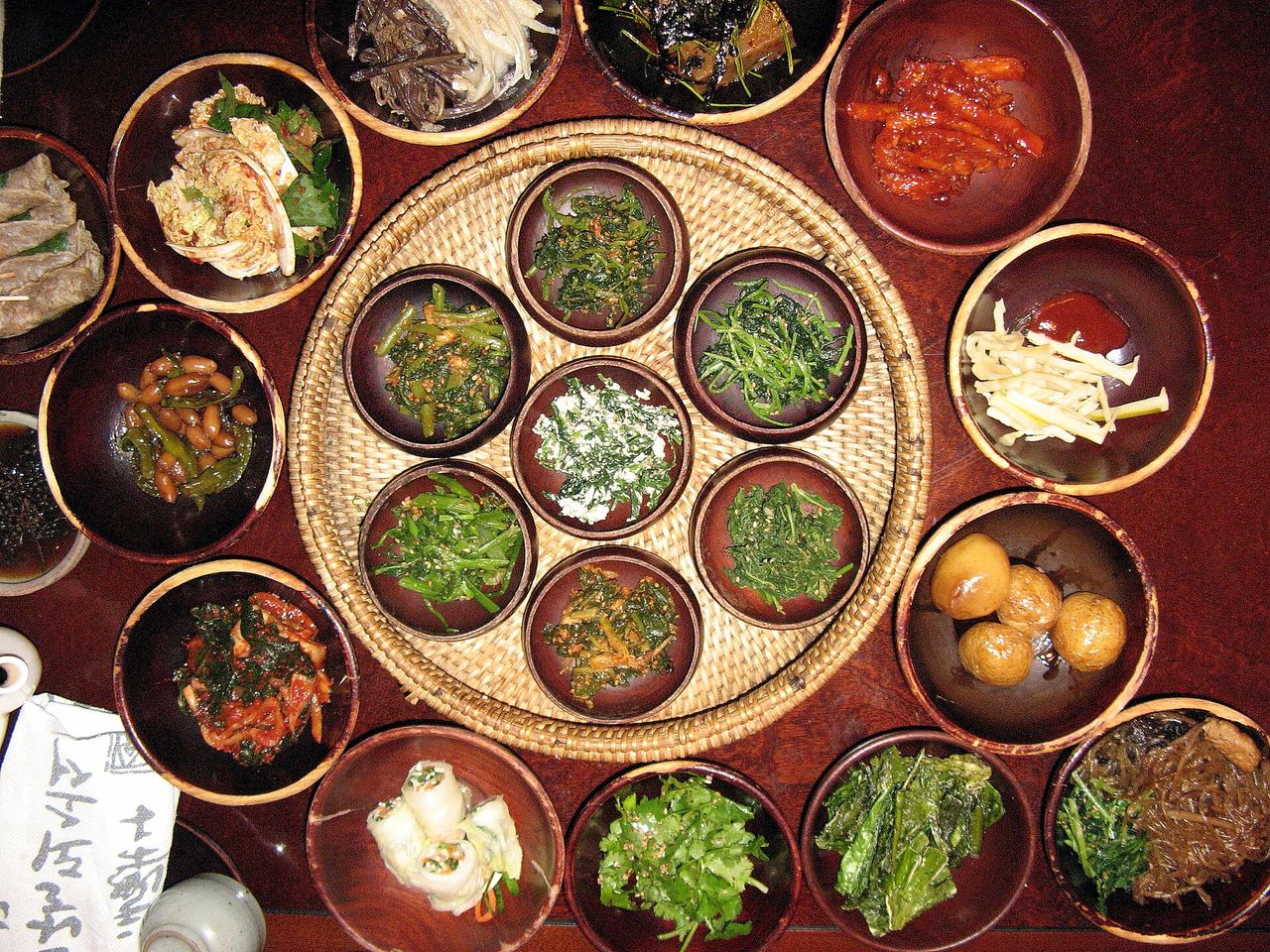
Cover image: Buddhist-influenced side dishes at Sanchon, a temple cuisine restaurant in Insadong, Seoul. Photo: Julie / CC BY-SA 2.0 / Wikimedia Commons

Sources
- Ancient cuisine, once spurned, rises again (Korea JoongAng Daily, 2016)
- Temple food without the hassle (Korea JoongAng Daily, 2019)
- Balu-gongyang: Korean monastic temple-meals (The Korea Times, 2010)
- Cooking as a Way to Enlightenment: Beop Song (Tricycle, 2017)
- Templestay Korea (official site)
- Korean temple cuisine (Wikipedia)