
Vietnam · Food
Huế Vegetarian Cuisine: Ẩm Thực Chay of the Old Imperial Capital
Hue, the old capital, and vegetarian food
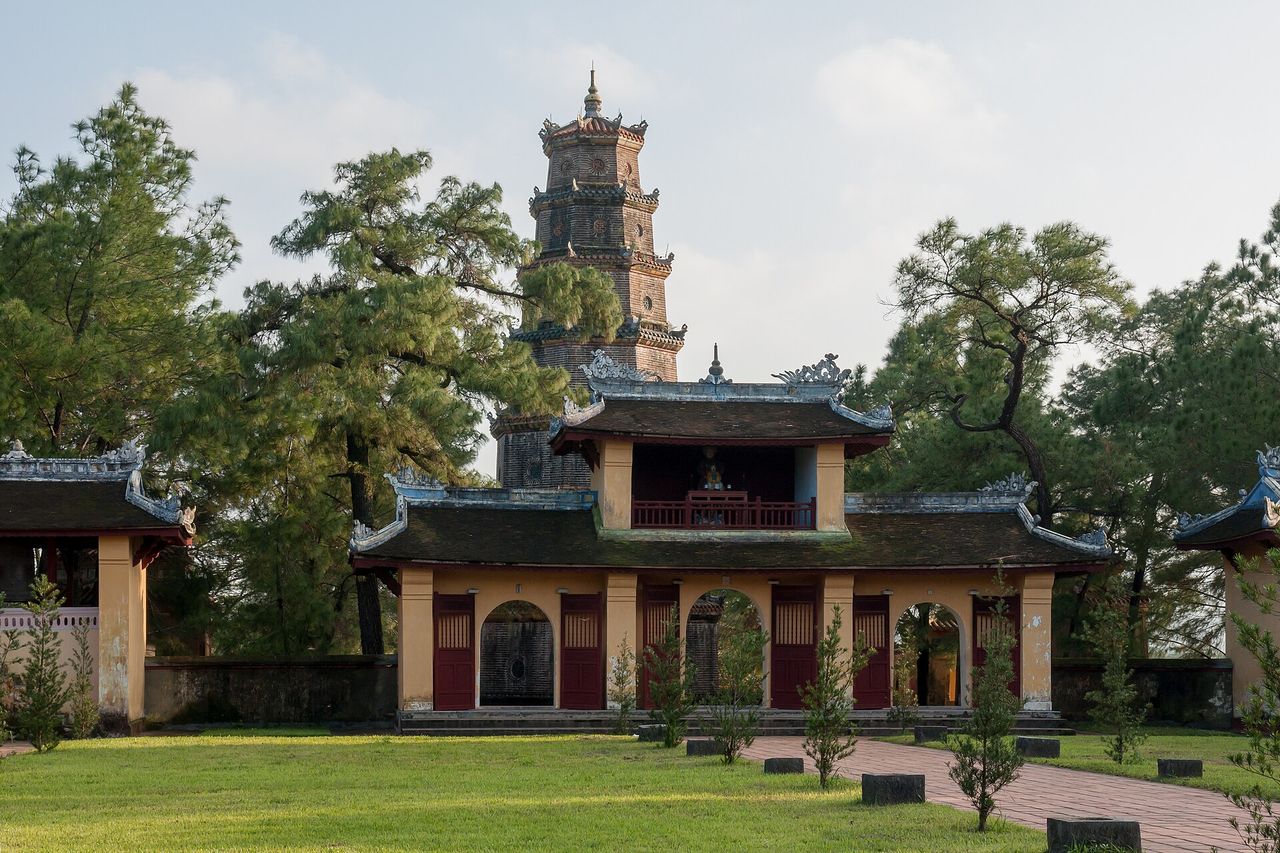
Huế, in central Vietnam, was the seat of the Nguyễn dynasty (1802–1945) and is also known for its many Buddhist temples. According to the newspaper Đại Đoàn Kết (2019), Huế has more than 400 pagodas of various sizes and 230 Buddhist prayer halls (niệm Phật đường). Against this background, vegetarian cooking (ẩm thực chay) has taken root not only inside temples but also in family kitchens and neighborhood eateries. VnExpress (2012) likewise describes vegetarian eating as a widespread habit in Huế households.
This article looks at vegetarian food as a Buddhist-linked food culture. It is not the same thing as modern veganism in origin or outlook; for the difference, see Shojin ryori vs. vegan food.

Links to the court and to temples
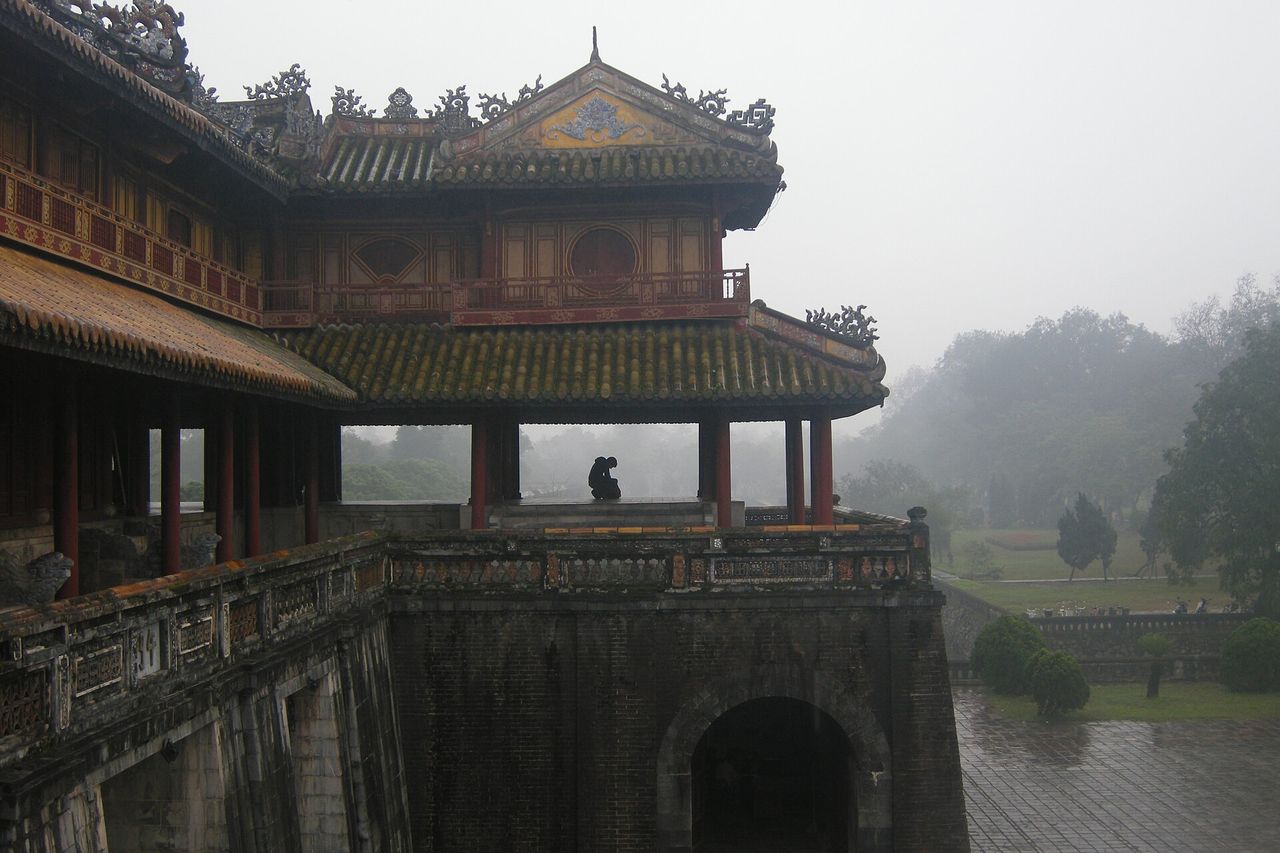
Đại Đoàn Kết reports that Buddhism was favored under the Nguyễn lords, and that vegetarian eating was practiced in the region by the time of Lord Nguyễn Phúc Chu (reigned 1691–1725) at the latest. Aristocrats and royals who had taken bodhisattva vows ate vegetarian meals, and because plain fare did not satisfy them, cooks are said to have developed more inventive dishes.
At the Nam Giao altar (đàn Nam Giao), where emperors performed rites to heaven, a Trai cung (a hall for fasting) was built; emperors are said to have kept a vegetarian diet there before the ceremonies (VnExpress, Đại Đoàn Kết). The same newspaper mentions about 125 vegetarian dishes in Huế under the Nguyễn lords, though this figure comes from a single article.
As for temples, Tuoi Tre (2014) says that nuns and lay Buddhists at pagodas such as Từ Hiếu, Từ Đàm and Hồng Ân are known for vegetarian cooking. Feasts are prepared for occasions such as Buddha’s Birthday and full-moon days, while everyday meals are simpler.
Typical dishes and ingredients
Huế vegetarian food is often described through giả mặn dishes, which imitate the look and flavor of meat or fish dishes. VnExpress gives examples such as a chả lụa-style roll made from ripe banana and winter melon, a chicken-style dish from wheat gluten and rau răm, chả ram made from mushrooms and glass noodles, and dishes using young jackfruit. Tuoi Tre (2014) describes a spring roll filled with ground mung beans, glass noodles and mushrooms in place of the usual pork, egg or shrimp, wrapped in rice paper and fried.
Sài Gòn Giải Phóng (September 2026) describes a vegetarian meal at an old temple in Huế: bánh lọc filled with wood ear mushroom, carrot and shiitake; bánh bèo; bánh nậm; braised young jackfruit; vegetarian patties braised with straw mushrooms; a salad served with sesame rice crackers; boiled vegetables in five colors; and a sweet made with Huế lotus seeds. The paper notes that little oil and seasoning are used, giving a light taste. Some meals come with soybean condiments such as tương and chao (Tuoi Tre).
Note that Huế specialties such as bún bò Huế and bánh khoái are normally made with meat or shrimp. The sources reviewed here did not describe vegetarian versions of them, or what replaces fish sauce, so they are left out.

Vegetarian days and the street scene
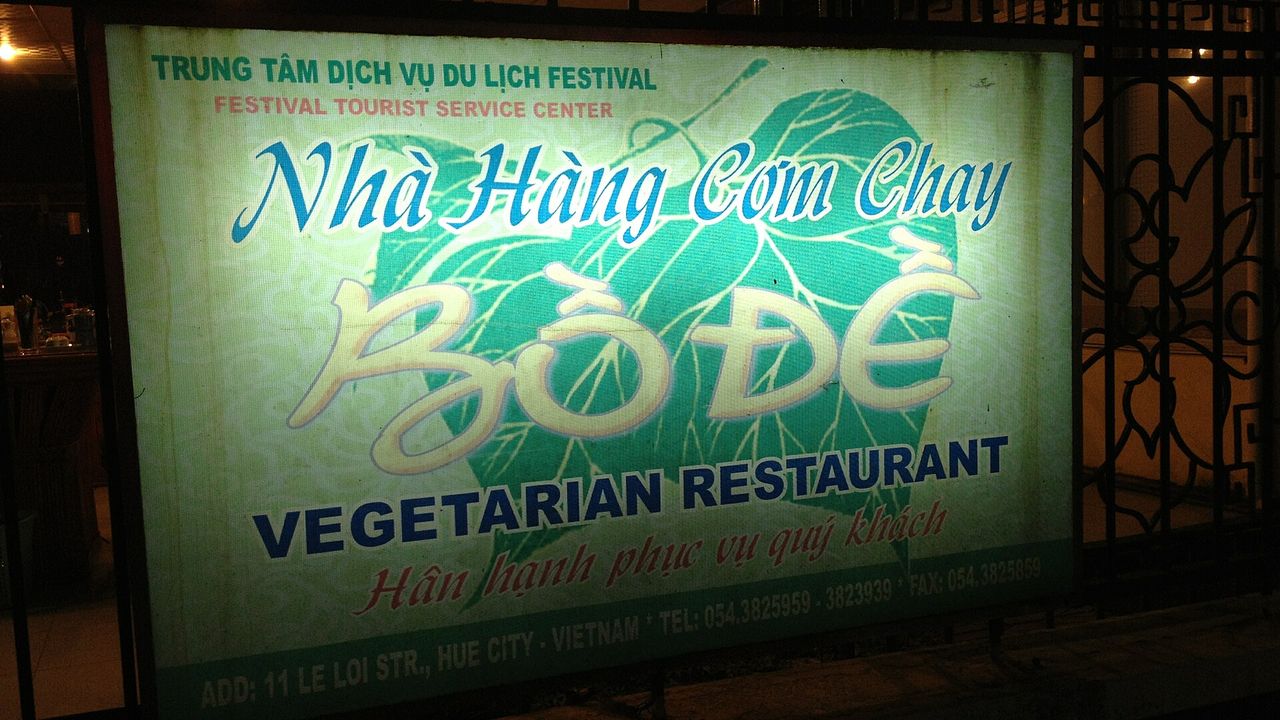
How often people eat vegetarian varies. VnExpress mentions people who eat vegetarian all year, and others who do so four days a month (the 30th, 1st, 14th and 15th of the lunar month). Đại Đoàn Kết says families eat vegetarian on the 1st and 15th and on holidays, and names two-day and four-day patterns nhị trai and tứ trai. The sources differ slightly on which days these are, so practice seems to vary by family and area. For the 1st and 15th, see the lunar 1st and 15th and vegetarian eating in Vietnam.
According to VnExpress, on these days street snacks such as bánh bèo, bánh nậm and bánh lọc are made in vegetarian versions, and shops built around living creatures, such as cơm hến (clam rice), often close. A vegetarian food festival held in Huế on 8–9 June 2024 had 36 stalls and 45 participating units offering more than 72 dishes, according to Báo Pháp Luật; temples, hotels and restaurants took part.
For the basics of the everyday vegetarian rice eateries known as cơm chay, see What is cơm chay?. Huế’s vegetarian cooking is one food culture shaped where royal history and temple life overlap.
Cover image: Thien Mu Temple and Pagoda in Hue, central Vietnam. Photo: CEphoto, Uwe Aranas / CC BY-SA 3.0 / Wikimedia Commons

Sources
- ‘Thành phố ăn chay’ (VnExpress, 2012)
- Cơm chay xứ Huế (Báo Sài Gòn Giải Phóng)
- Vietnam’s imperial capital’s stunning vegetarian feasts (Tuoi Tre News, 2014)
- Ẩm thực chay – tinh hoa của vùng đất cố đô (Báo Đại Đoàn Kết, 2019)
- Lễ hội ẩm thực chay thu hút hàng ngàn người dân và du khách Huế (Báo Pháp Luật)