
Taiwan · Food
Types of Taiwanese Sùshí and How to Read the Labels: Vegan, Egg-Dairy and Five-Pungent
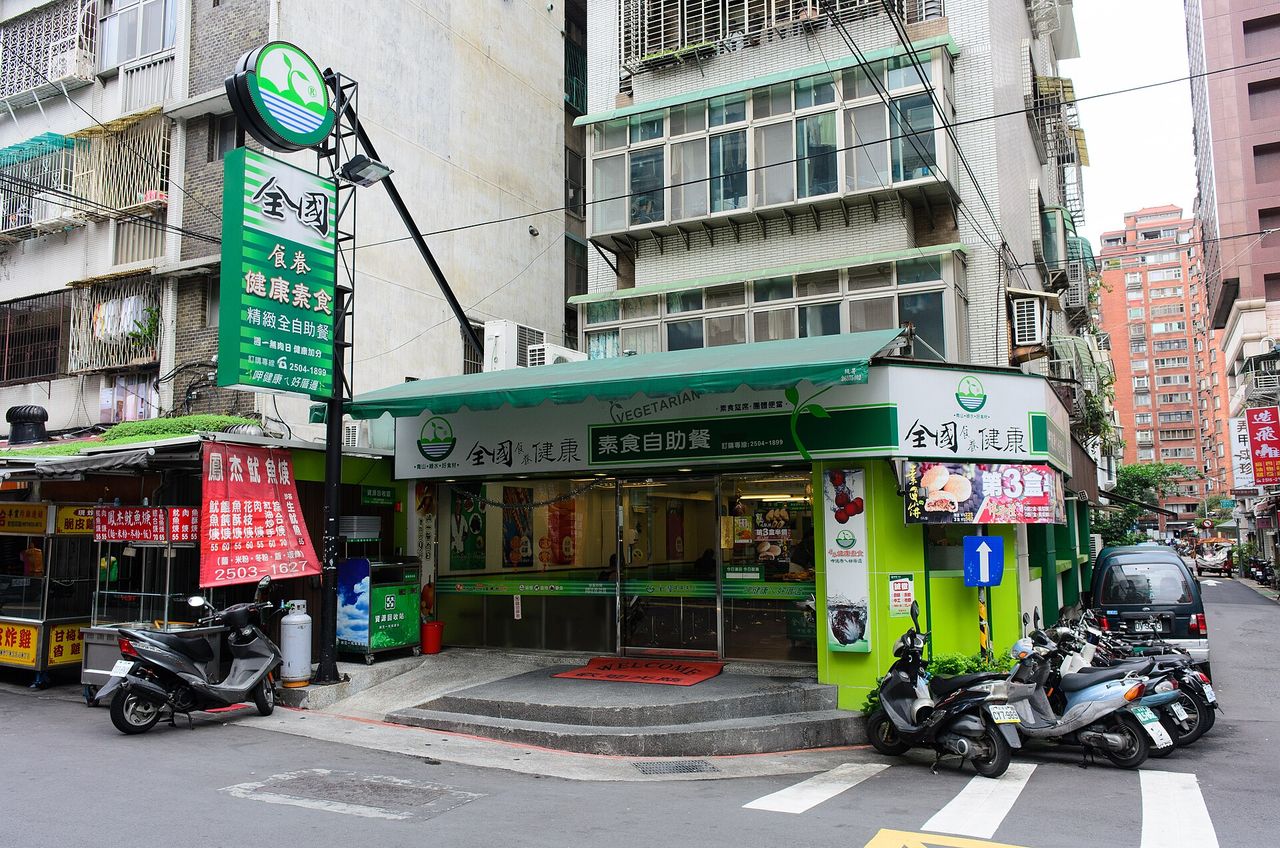
Vegetarian labels come in five categories
Sùshí (素食) is the Taiwanese term for meat- and fish-free food, but it is divided further by whether a dish contains eggs, dairy or alliums. For packaged food, Taiwan’s Ministry of Health and Welfare sets the rule, titled 包裝食品宣稱為素食之標示規定. The system began on 1 July 2009 and was amended on 10 September 2013. A packaged product that claims to be vegetarian must carry one of the following terms.
- 全素 / 純素 (vegan-type): purely plant-based food that also excludes the five pungent plants (蔥, 蒜, 韭, 蕎, 興渠). These are generally explained as scallion, garlic, chive or leek, rakkyo-type bulbs and asafoetida (hing).
- 蛋素 (egg vegetarian): a 全素 food plus egg products.
- 奶素 (dairy vegetarian): a 全素 food plus dairy products.
- 奶蛋素 (egg and dairy vegetarian): a 全素 food plus egg and dairy products. Some shops write it on menus as 蛋奶素.
- 植物五辛素 (plant-based, five pungent plants allowed): plant-derived food that may contain the five pungent plants. If it contains milk or eggs, this must be stated in the name of the ingredients.
Be careful with 植物五辛素 in particular. It is not simply a 全素 dish with onions or garlic added: under the rule, eggs and dairy can be included as well, so it should not be read as meaning the same thing as vegan unless you check the label. Vague wording such as 素食可食 (“vegetarian-edible”) is not allowed under this rule.
Is 全素 the same as vegan?
全素 / 純素 is close to vegan in that it uses no animal products, but its scope differs because it also excludes the five pungent plants. What counts as the five varies by source and by tradition, and Taiwanese articles and guides sometimes list items such as onion or shallot. Religious vegetarian food and modern veganism grew out of separate backgrounds; they overlap in places but are different ideas. We explain the difference in Shojin Ryori and Veganism: What’s the Difference?.

Reading signs and menus
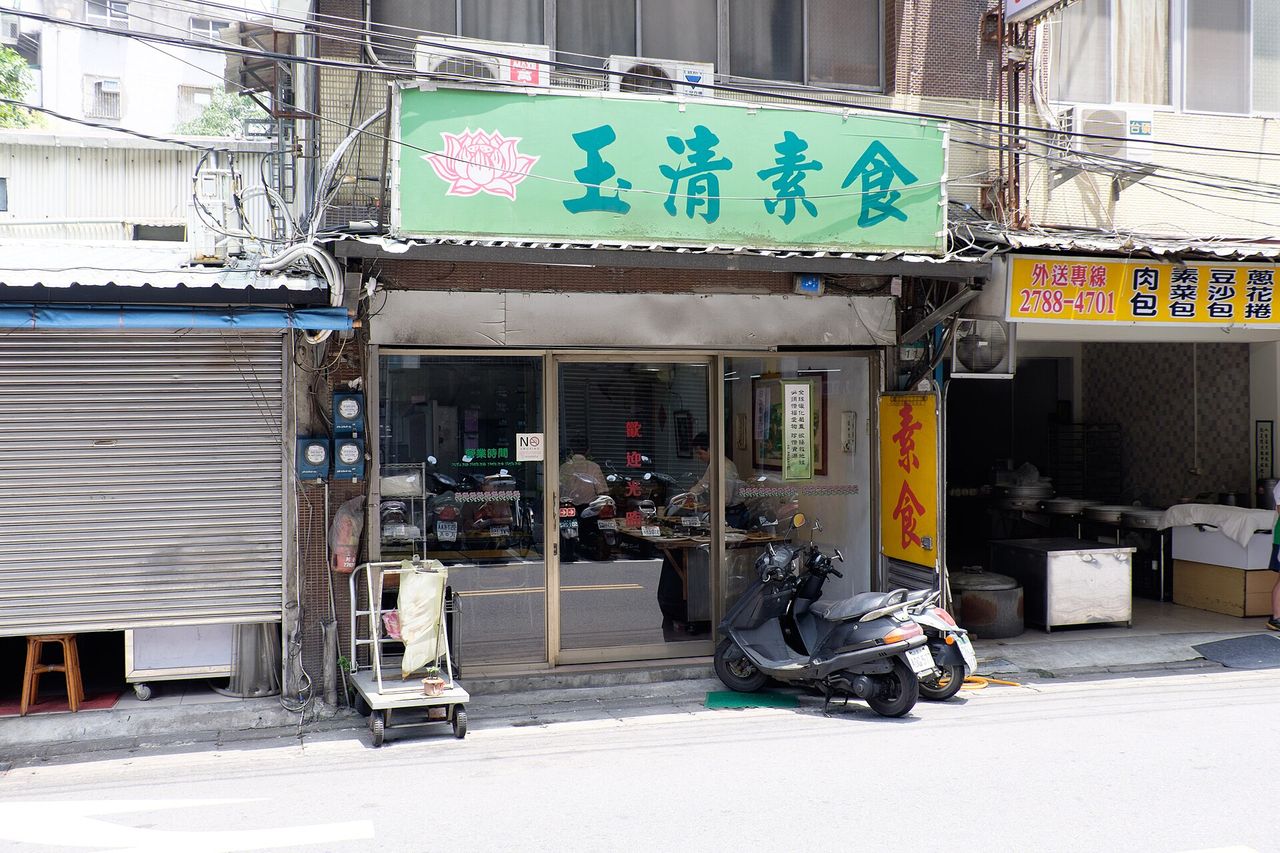
The characters 素食 or 蔬食 on a shopfront are a useful clue. Taiwan Panorama (March 2023) describes religious vegetarian food as avoiding the five pungent plants, whereas the newer 蔬食 style does not worry about them. Some vegetarian shops display the Buddhist 卍 symbol (unrelated to the Nazi emblem), and the magazine gives examples from Changhua, but it appears only in certain areas and shops, so it is safest to confirm with the written wording as well.
The five terms above are a rule for packaged food, and how a restaurant words its menu varies from shop to shop. According to the Food and Drug Administration, its 2025 inspection project for vegetarian food service providers listed labelling as one of its checkpoints.

Why there are so many vegetarian eateries
The Taipei Times (May 2024) reports a government estimate that about 13 percent of the population, around three million people, are vegetarian. For the number of restaurants, Taiwan Panorama (March 2023) cites WorldAtlas for roughly 6,000, though such counts depend on how they are made.
On history, the same magazine gives a researcher’s view that fasting traditions encouraging vegetarian eating at home, linked to Luoism, and the Yiguandao sect spread in Taiwan, and it also mentions that the roots may go back to the Dutch period (1624-1662). Its June 2025 issue reports that Buddhist groups grew after martial law ended in 1987 and that Yiguandao was legalized. Alongside religion, it says motives such as the environment and animal welfare have been added. At one restaurant, the staff say that nearly half of the customers are meat eaters.
What to check when ordering
- Sort out what you want to avoid: only meat and fish, or also eggs, dairy and the five pungent plants. This decides which category suits you.
- Keep a few short phrases ready: 「請問這是全素嗎?」 (Is this 全素?), 「有蛋或奶嗎?」 (Does it contain egg or dairy?), 「不要五辛」 (No five pungent plants, please).
- Ask whether the soup stock, dipping sauces, other sauces and meat substitutes contain animal-derived ingredients or the five pungent plants. For example, some shops use a vegetarian version of shacha sauce (素沙茶), according to Taiwan Panorama.
- At restaurants that are not vegetarian specialists, even tofu dishes may contain meat. A National Chengchi University guide gives mapo tofu, traditionally made with beef, as an example.
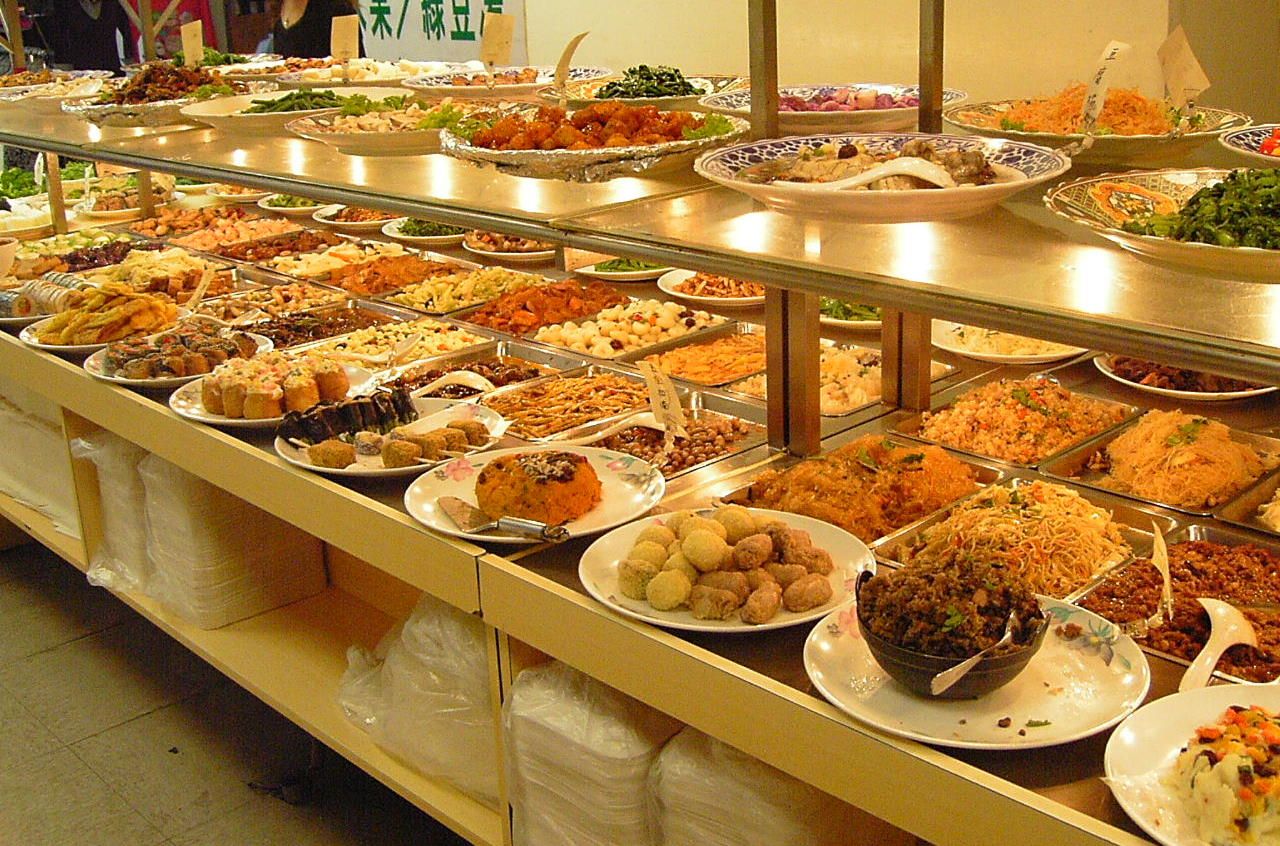
- Self-service buffets (自助餐) are often priced by weight and let you choose by looking at the dishes (Taipei Times and the university guide).
- Handling differs from shop to shop. If unsure, ask the staff, and if they say they cannot accommodate you, it is wise not to press.
For the big picture, see What Is Taiwanese Sùshí?, and for Taiwan Panorama’s coverage see our pick of Taiwan Panorama’s vegetarian articles.
Cover image: A vegetarian buffet restaurant in Zhongshan District, Taipei. Photo: 玄史生 / CC0 1.0 / Wikimedia Commons

Sources
- Ministry of Health and Welfare, Labelling Rules for Packaged Foods Claiming to Be Vegetarian (announced 10 Sept 2013)
- Food and Drug Administration, announcement of the amended vegetarian labelling rules
- Ministry of Health and Welfare, consumer notice on vegetarian labels (2 April 2016)
- Ministry of Health and Welfare, inspection results after the five vegetarian labels took effect
- Ministry of Health and Welfare / FDA, 2025 inspection project for vegetarian food service providers (21 May 2025)
- Taipei Times, Taipei vegetarian 101 (30 May 2024)
- Taiwan Panorama, A Vegetarian Paradise: Taiwan’s Meatless Success (March 2023)
- Taiwan Panorama (Chinese edition), 素得夠味 歡迎蒞臨素食大國! (March 2023)
- Taiwan Panorama, A Paradise for Vegetarians: Taiwan’s Meatless Journey (June 2025)
- National Chengchi University OIC, Being vegetarian in Taiwan: Everything you need to know (29 Nov 2024)